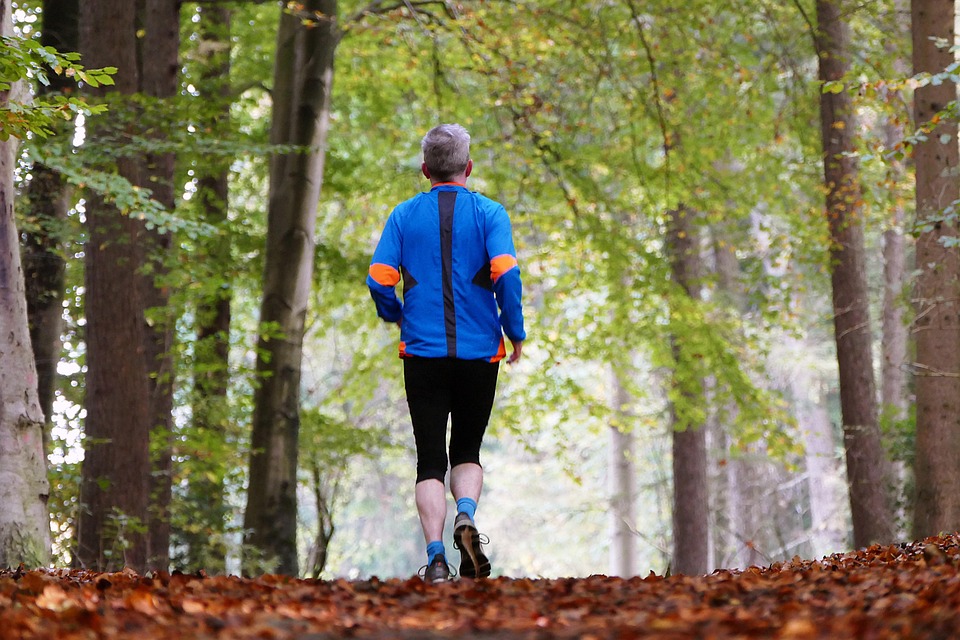

Aging is an inevitable part of life, but how we age can significantly impact our quality of life. Vibrant aging is not just about adding years to your life but adding life to your years. By focusing on essential senior health tips, you can enhance your well-being, maintain independence, and enjoy life to the fullest. This article explores crucial health tips for seniors to promote vibrant aging.
Stay Physically Active
Physical activity is a cornerstone of healthy aging. Regular exercise helps maintain muscle mass, flexibility, and balance, reducing the risk of falls. It also supports cardiovascular health, boosts mood, and enhances cognitive function.
Choose Activities You Enjoy
Opt for activities that you find enjoyable and sustainable. Whether it’s walking, swimming, yoga, or dancing, the key is consistency. Aim for at least 150 minutes of moderate-intensity aerobic exercise a week, complemented by strength training exercises twice weekly.
Incorporate Balance and Flexibility Exercises
Balance and flexibility exercises, such as tai chi or Pilates, are particularly beneficial for seniors. They help prevent falls and improve overall mobility. Simple balance exercises like standing on one leg or heel-to-toe walking can be done at home.
Maintain a Nutritious Diet
A balanced diet is vital for seniors to support overall health and prevent chronic diseases. As metabolism slows with age, nutritional needs change, requiring careful attention to dietary choices.
Focus on Nutrient-Dense Foods
Prioritize nutrient-rich foods such as fruits, vegetables, whole grains, lean proteins, and healthy fats. These foods provide essential vitamins and minerals that support bodily functions and promote vitality.
Stay Hydrated
Dehydration is a common concern among seniors. Ensure adequate fluid intake by drinking water regularly throughout the day. Herbal teas and water-rich fruits like watermelon can also contribute to hydration.
Prioritize Mental Health
Mental health is integral to vibrant aging. Staying mentally active, connected, and engaged can reduce the risk of cognitive decline and enhance emotional well-being.
Engage in Lifelong Learning
Continuously challenge your brain through lifelong learning. Take up new hobbies, learn a new language, or engage in puzzles and games that stimulate cognitive function.
Maintain Social Connections
Social connections are vital for mental health. Stay connected with family and friends, join community groups, or volunteer. Social interactions provide emotional support and combat feelings of loneliness.
Regular Health Screenings
Regular health check-ups and screenings are crucial to detect potential health issues early and manage existing conditions effectively.
Follow Recommended Screenings
Adhere to recommended screenings for blood pressure, cholesterol, diabetes, and cancer. Regular eye and dental check-ups are also important to maintain overall health.
Manage Chronic Conditions
If you have chronic conditions, work closely with your healthcare provider to manage them effectively. Follow prescribed medications, make necessary lifestyle adjustments, and attend all medical appointments.
Ensure Quality Sleep
Sleep quality often declines with age, but it remains crucial for health. Adequate sleep supports cognitive function, emotional well-being, and physical health.
Create a Sleep-Friendly Environment
Ensure your bedroom is conducive to sleep. Keep it cool, dark, and quiet, and invest in a comfortable mattress and pillows.
Establish a Consistent Sleep Routine
Go to bed and wake up at the same time each day, even on weekends. Avoid caffeine and electronic devices before bedtime to improve sleep quality.
Embrace Preventive Measures
Prevention is better than cure. Taking preventive measures can protect your health and enhance your quality of life.
Stay Vaccinated
Ensure you are up-to-date with vaccinations, including the flu, shingles, and pneumonia vaccines. Vaccinations help prevent serious illnesses and complications.
Practice Fall Prevention
Falls are a leading cause of injury among seniors. Remove tripping hazards at home, install grab bars in the bathroom, and ensure adequate lighting.
Foster Emotional Well-being
Emotional well-being is a key component of vibrant aging. Cultivate positive emotions and manage stress effectively to enhance quality of life.
Practice Mindfulness and Relaxation
Incorporate mindfulness practices, such as meditation or deep breathing exercises, into your daily routine. These practices reduce stress and promote relaxation.
Pursue Activities That Bring Joy
Engage in activities that bring you joy and fulfillment, whether it’s gardening, painting, or playing a musical instrument. Pursuing passions supports emotional health.
Conclusion
Vibrant aging is achievable through a proactive approach to health and well-being. By staying physically active, maintaining a nutritious diet, prioritizing mental health, and embracing preventive measures, seniors can enjoy a fulfilling and vibrant life. Remember, it’s never too late to adopt healthy habits and make positive changes that enhance your quality of life.
#ChatGPT assisted in the creation of this article.