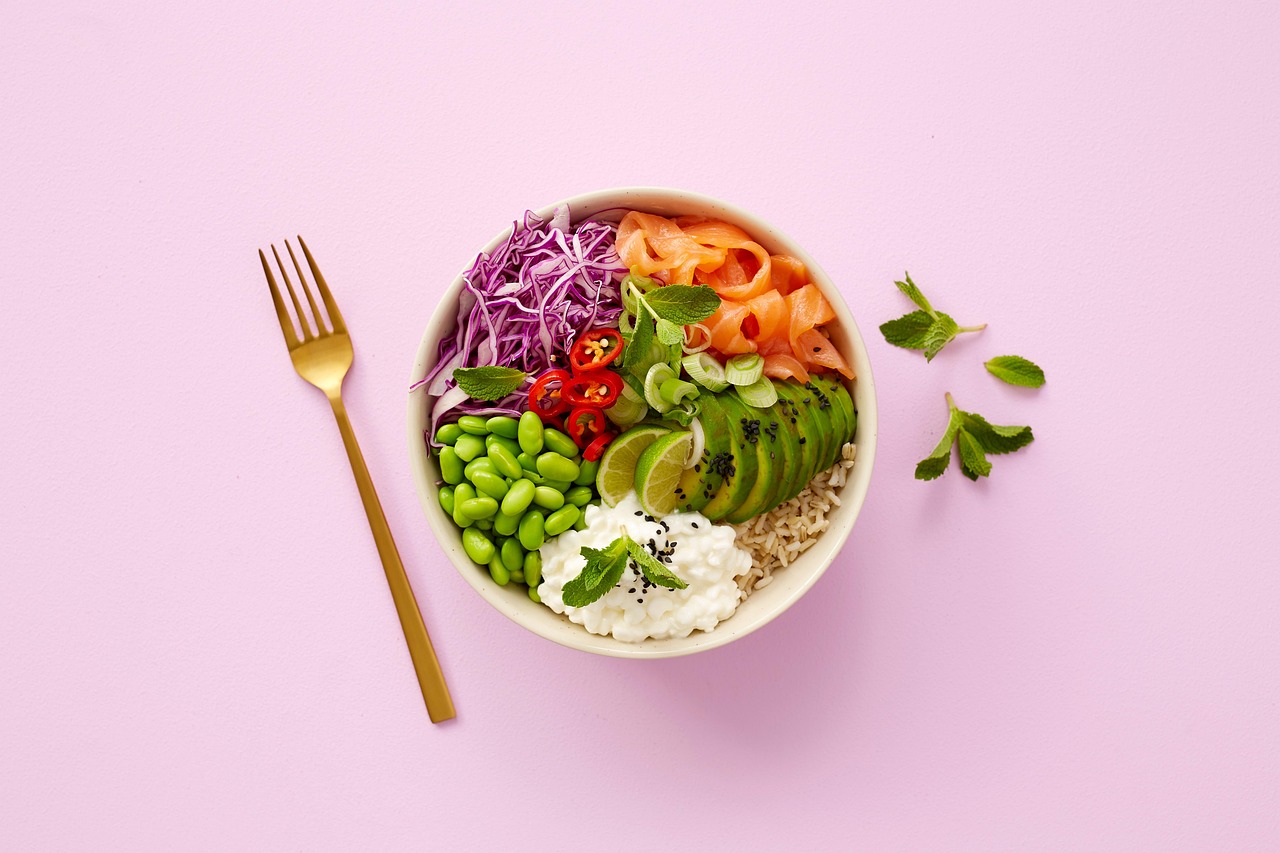

As we age, maintaining a healthy diet becomes increasingly important for promoting longevity and enhancing quality of life. One of the key components of a nutritious diet for seniors is fiber. Fiber, a type of carbohydrate that the body cannot digest, plays a crucial role in promoting digestive health, regulating blood sugar levels, and supporting heart health. This article delves into the top fiber-rich foods that can significantly boost senior health, providing practical tips on how to incorporate them into daily meals.
Understanding the Importance of Fiber
Fiber is categorized into two types: soluble and insoluble fiber. Soluble fiber dissolves in water to form a gel-like substance, which can help lower blood cholesterol and glucose levels. Insoluble fiber, on the other hand, adds bulk to the stool and aids in the movement of food through the digestive system. Both types are essential for overall health, especially for seniors who may face challenges such as constipation, heart disease, and diabetes.
Consuming adequate fiber can help seniors:
– Improve digestive health and regularity
– Lower cholesterol levels
– Control blood sugar levels
– Maintain a healthy weight
– Reduce the risk of cardiovascular diseases
The recommended daily fiber intake for seniors is approximately 28 grams for men and 22 grams for women, although individual needs may vary.
Top Fiber-Rich Foods for Seniors
Whole Grains
Whole grains are an excellent source of both soluble and insoluble fiber. Unlike refined grains, whole grains retain all parts of the grain kernel, including the bran, germ, and endosperm, which are rich in nutrients and fiber.
– **Oats**: Oats are particularly high in beta-glucan, a type of soluble fiber that can help lower cholesterol levels. Enjoy oatmeal for breakfast or use oats in baking.
– **Brown Rice and Quinoa**: These versatile grains can be used as a base for salads, stir-fries, or as a side dish to add fiber and nutrients to meals.
– **Whole Wheat Bread and Pasta**: Opting for whole wheat versions of bread and pasta can significantly increase fiber intake without requiring major dietary changes.
Legumes
Legumes are packed with fiber, protein, and essential nutrients, making them an ideal addition to a senior diet.
– **Lentils**: Lentils are high in fiber and can be used in soups, stews, or salads. They are a versatile and affordable source of nutrition.
– **Chickpeas**: Whether roasted as a snack or blended into hummus, chickpeas offer a delicious way to boost fiber intake.
– **Black Beans and Kidney Beans**: These beans can be added to chili, salads, or tacos for a fiber-rich meal.
Fruits
Fruits are not only rich in dietary fiber but also provide essential vitamins and antioxidants that promote overall health.
– **Apples and Pears**: These fruits, especially when eaten with the skin, provide a good amount of fiber. They make for a convenient snack or a sweet addition to salads.
– **Berries**: Berries like raspberries, strawberries, and blueberries are high in fiber and antioxidants. Add them to yogurt, cereal, or smoothies for a nutritious boost.
– **Bananas**: Bananas are a good source of fiber and potassium, which can help maintain healthy blood pressure levels.
Vegetables
Vegetables are a cornerstone of a healthy diet and are particularly important for increasing fiber intake.
– **Broccoli**: This cruciferous vegetable is not only high in fiber but also in vitamins C and K. Steam or roast broccoli as a side dish.
– **Carrots**: Rich in beta-carotene and fiber, carrots can be eaten raw, steamed, or added to soups and stews.
– **Brussels Sprouts**: These small, leafy greens are fiber-rich and can be roasted or sautéed for a tasty side dish.
Nuts and Seeds
Nuts and seeds are not only high in fiber but also provide healthy fats and protein.
– **Almonds**: A handful of almonds can provide a significant amount of fiber and make for a satisfying snack.
– **Chia Seeds**: These tiny seeds are extraordinarily high in fiber and can be added to smoothies, yogurt, or oatmeal.
– **Flaxseeds**: Ground flaxseeds can be sprinkled on cereal or used in baking to increase fiber content.
Tips for Incorporating Fiber into the Senior Diet
Increasing fiber intake doesn’t have to be challenging. Here are some practical tips for seniors to incorporate more fiber into their diet:
– **Start Slowly**: Gradually increase fiber intake to allow the digestive system to adjust, reducing the risk of bloating and gas.
– **Stay Hydrated**: Drink plenty of water throughout the day to help fiber work effectively and prevent constipation.
– **Choose Whole Foods**: Prioritize whole, unprocessed foods over refined options to naturally increase fiber intake.
– **Experiment with Recipes**: Try new recipes that incorporate fiber-rich ingredients, such as soups, stews, and salads.
– **Snack Wisely**: Opt for high-fiber snacks like fruits, nuts, or whole-grain crackers instead of processed snacks.
Potential Challenges and Considerations
While increasing fiber intake is beneficial, seniors should be mindful of potential challenges that may arise:
– **Digestive Sensitivity**: Some individuals may experience digestive discomfort with a sudden increase in fiber. It’s important to increase fiber intake gradually.
– **Medication Interactions**: Fiber can interfere with the absorption of certain medications. Seniors should consult with a healthcare provider to ensure their fiber intake complements their medication regimen.
– **Individual Dietary Needs**: Each senior has unique dietary needs, and it may be beneficial to work with a nutritionist or healthcare provider to develop a personalized nutrition plan.
Conclusion
Incorporating fiber-rich foods into the diet is a simple yet effective way to boost senior health. By understanding the benefits of fiber and discovering delicious ways to enjoy fiber-rich foods, seniors can enhance their digestive health, manage chronic conditions, and improve their overall well-being. As with any dietary change, it’s important for seniors to consult with healthcare providers to ensure their nutritional needs are being met. By prioritizing fiber, seniors can enjoy a healthier, more vibrant lifestyle.
#ChatGPT assisted in the creation of this article.