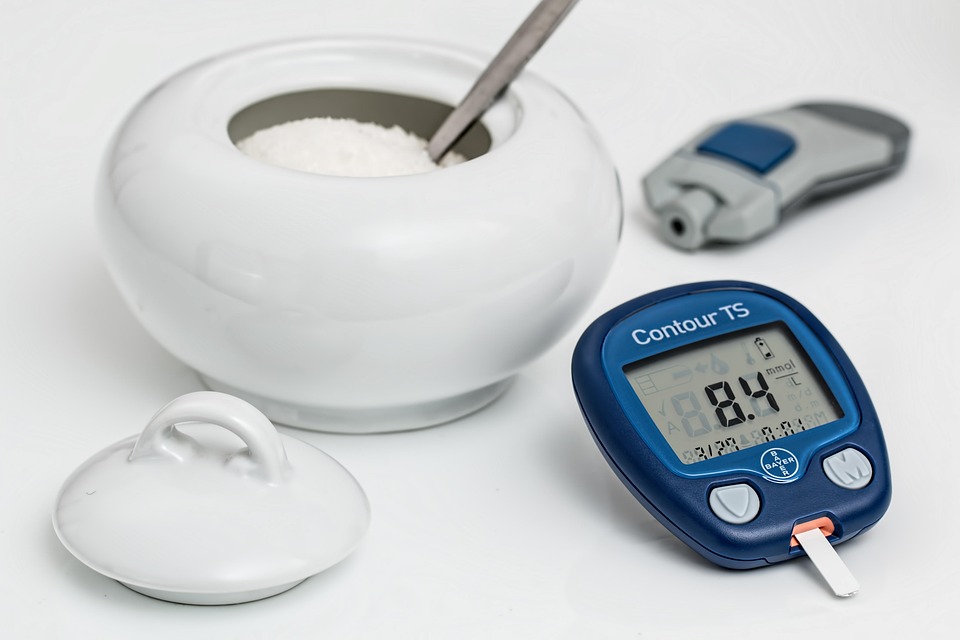

As the global population ages, managing chronic illness in elderly individuals has become a critical aspect of healthcare. Chronic illnesses such as diabetes, heart disease, arthritis, and dementia are prevalent among older adults and can significantly impact their quality of life. Effective management of these conditions requires a comprehensive approach that includes medical, lifestyle, and psychological strategies. This article explores effective strategies for managing chronic illness in elderly individuals, focusing on enhancing their well-being and independence.
Understanding Chronic Illness in the Elderly
Chronic illnesses are long-term health conditions that often progress slowly and require ongoing medical attention and management. In elderly individuals, these conditions can be particularly challenging due to the presence of multiple health issues, age-related changes in physiology, and the increased likelihood of medication interactions. Understanding the unique challenges faced by the elderly is essential for developing effective management strategies.
The Prevalence and Impact of Chronic Illness
The prevalence of chronic illness in older adults is significant, with estimates suggesting that over 80% of individuals aged 65 and older have at least one chronic condition, and 68% have two or more. These conditions can lead to decreased mobility, loss of independence, and a higher risk of hospitalization and mortality. Additionally, chronic illnesses often result in a complex medication regimen, which can be difficult for elderly individuals to manage independently.
Challenges in Managing Chronic Illness
Managing chronic illness in the elderly is complicated by several factors. Age-related physiological changes can affect how medications are metabolized, increasing the risk of side effects and interactions. Cognitive decline and sensory impairments can also impede an individual’s ability to adhere to treatment plans. Furthermore, social factors such as isolation, financial constraints, and limited access to healthcare resources can exacerbate the difficulties associated with managing chronic illness.
Effective Strategies for Managing Chronic Illness
To effectively manage chronic illness in elderly individuals, a holistic approach that addresses medical, lifestyle, and psychological aspects is essential. Below are some strategies that can help in managing these conditions effectively.
Medical Management
Medical management is a cornerstone of chronic illness care and involves regular monitoring, medication management, and collaboration with healthcare providers.
Regular Monitoring and Check-Ups: Regular medical check-ups are crucial for monitoring the progression of chronic illnesses and adjusting treatment plans as needed. Healthcare providers can perform routine screenings, manage symptoms, and prevent complications.
Medication Management: Proper medication management is critical for controlling chronic conditions. This includes ensuring that the patient adheres to prescribed medications, understanding potential side effects, and minimizing drug interactions. Healthcare providers can assist by simplifying medication regimens and using medication management tools like pill organizers.
Collaborative Care: Collaborative care involves a team-based approach where healthcare providers, caregivers, and the patient work together to develop and implement a comprehensive care plan. This approach ensures that all aspects of the patient’s health are addressed and that care is coordinated across different providers and settings.
Lifestyle Modifications
Lifestyle modifications can play a significant role in managing chronic illness and improving the overall well-being of elderly individuals.
Nutrition and Diet: A balanced diet rich in fruits, vegetables, whole grains, and lean proteins can help manage chronic conditions such as diabetes and heart disease. Registered dietitians can provide personalized dietary recommendations to meet the specific needs of elderly individuals.
Physical Activity: Regular physical activity is beneficial for maintaining physical function, improving cardiovascular health, and managing weight. Tailored exercise programs that consider the individual’s abilities and limitations can enhance adherence and effectiveness.
Smoking Cessation and Alcohol Moderation: Encouraging smoking cessation and moderating alcohol consumption can significantly impact chronic illness management. Healthcare providers can offer support, counseling, and resources to help individuals make these lifestyle changes.
Psychological and Social Support
Addressing the psychological and social aspects of chronic illness is crucial for improving the overall quality of life for elderly individuals.
Mental Health Support: Chronic illness can lead to mental health challenges such as depression and anxiety. Providing access to mental health services and support groups can help individuals cope with the emotional burden of their condition.
Social Engagement: Social isolation is a common issue among elderly individuals with chronic illness. Encouraging social engagement through community programs and support groups can improve mental well-being and provide a sense of belonging.
Caregiver Support: Caregivers play a vital role in managing chronic illness in the elderly. Providing resources, education, and respite care can reduce caregiver burden and enhance the quality of care for the patient.
Technological Innovations in Chronic Illness Management
Technological advancements offer new opportunities for managing chronic illnesses in elderly individuals. From telemedicine to wearable devices, technology can enhance monitoring, communication, and engagement.
Telemedicine
Telemedicine allows healthcare providers to deliver care remotely, making it easier for elderly individuals to access medical consultations and follow-up appointments without the need for travel. This can be particularly beneficial for those with mobility issues or living in rural areas.
Wearable Health Devices
Wearable health devices such as fitness trackers and smartwatches can monitor vital signs, track physical activity, and provide real-time feedback. These devices can empower elderly individuals to take an active role in managing their health and provide valuable data to healthcare providers.
Medication Management Apps
Medication management apps can help elderly individuals keep track of their medication schedules, receive reminders, and access information about their prescriptions. These tools can improve adherence and reduce the risk of medication errors.
Conclusion
Managing chronic illness in the elderly requires a comprehensive approach that addresses medical, lifestyle, and psychological factors. By implementing effective strategies such as regular monitoring, lifestyle modifications, and leveraging technology, healthcare providers, caregivers, and patients can work together to improve the quality of life for elderly individuals with chronic conditions. As the population continues to age, prioritizing the management of chronic illness will be essential for promoting healthy aging and enhancing the well-being of older adults.
#ChatGPT assisted in the creation of this article.