
As we age, maintaining heart health becomes increasingly crucial. The heart, being the central organ of the circulatory system, requires particular attention to ensure a long and healthy life. For the elderly, focusing on heart health means adopting specific lifestyle changes and precautions to prevent cardiovascular diseases, which are among the leading causes of morbidity and mortality in older adults. This article will explore optimal heart health tips tailored for the elderly, focusing on diet, exercise, lifestyle changes, and regular medical checkups.
Understanding Heart Health in the Elderly
The aging process naturally brings changes to the cardiovascular system. Arteries can become stiffer, the heart walls may thicken, and the heart may pump less efficiently. These changes increase the risk of heart-related conditions such as hypertension, atherosclerosis, and heart failure. Understanding these changes is the first step towards taking proactive measures to maintain heart health.
Dietary Considerations
The Importance of a Balanced Diet
A heart-healthy diet is foundational to maintaining optimal heart health. As metabolism slows down with age, it becomes essential to focus on nutrient-dense foods that provide essential vitamins and minerals without excess calories. A balanced diet can help manage blood pressure, cholesterol levels, and body weight, all of which are critical factors in heart health.
Key Nutritional Components
- Fiber: A diet rich in soluble fiber can help reduce cholesterol levels. Foods like oats, beans, lentils, fruits, and vegetables are excellent sources of fiber.
- Healthy Fats: Incorporate sources of omega-3 fatty acids, such as fish, flaxseeds, and walnuts, which can help reduce inflammation and lower the risk of heart disease.
- Low Sodium: Reducing sodium intake is crucial in managing blood pressure. Opt for fresh or minimally processed foods and avoid added salt.
- Antioxidants: Foods rich in antioxidants, like berries, leafy greens, and nuts, help combat oxidative stress, a contributing factor to heart disease.
Regular Physical Activity
Benefits of Exercise
Regular physical activity is vital for maintaining heart health, improving circulation, and enhancing overall well-being. Exercise helps strengthen the heart muscle, lowers blood pressure, improves cholesterol levels, and aids in weight management.
Types of Suitable Exercises
- Aerobic Exercise: Activities such as walking, swimming, or cycling can improve cardiovascular endurance. Aim for at least 150 minutes of moderate-intensity aerobic exercise per week.
- Strength Training: Incorporating resistance exercises two to three times a week can help maintain muscle mass and support metabolic health.
- Flexibility and Balance: Exercises like yoga or tai chi improve flexibility and balance, reducing the risk of falls and injuries.
Lifestyle Changes
Smoking and Alcohol Consumption
Smoking is a significant risk factor for heart disease. Quitting smoking can dramatically reduce the risk of heart-related complications, even for those who have smoked for many years. Additionally, moderate alcohol consumption can be beneficial, but excessive drinking can lead to heart problems and other health issues. It’s important to follow guidelines, which recommend up to one drink per day for women and two for men.
Stress Management
Chronic stress can negatively impact heart health by increasing blood pressure and leading to unhealthy coping mechanisms like overeating or smoking. Implementing stress-reduction techniques such as meditation, deep breathing exercises, and hobbies can significantly improve heart health.
Regular Medical Checkups
The Role of Healthcare Professionals
Regular medical checkups are essential for monitoring heart health and identifying potential problems early. Healthcare professionals can provide valuable advice tailored to individual needs, adjust medications, and recommend lifestyle modifications.
Key Screenings and Tests
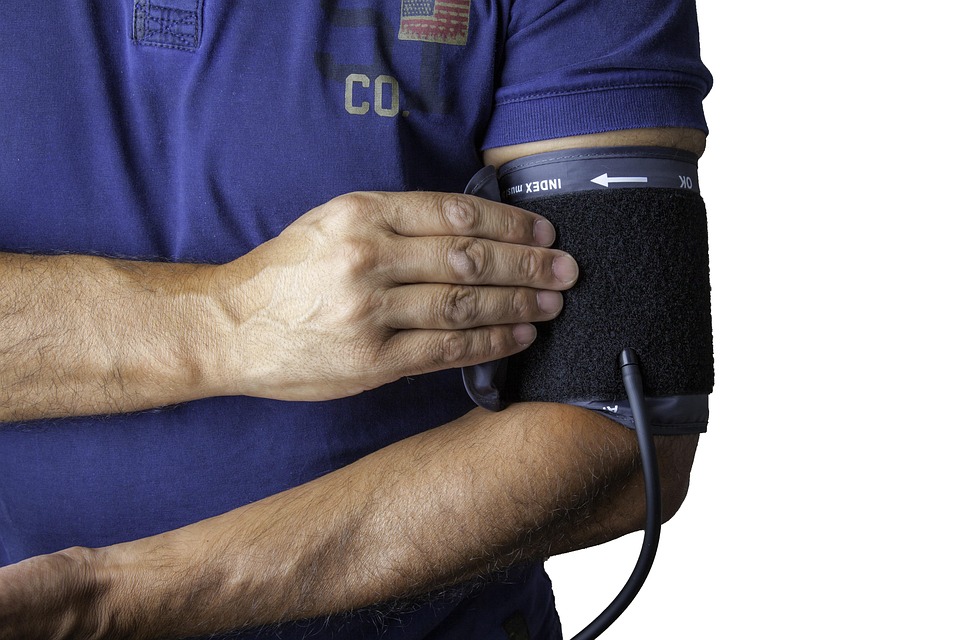
- Blood Pressure Monitoring: Regular blood pressure checks can help manage hypertension, a major risk factor for heart disease.
- Cholesterol Levels: Routine lipid profiles can assess cholesterol levels and guide dietary and medication adjustments.
- Blood Sugar Levels: Monitoring glucose levels is crucial, especially for those at risk of or managing diabetes, a condition closely linked to heart disease.
- Weight Management: Regular weight assessments help track changes and maintain a healthy body mass index (BMI).
Conclusion
Maintaining optimal heart health in the elderly requires a multifaceted approach, encompassing a balanced diet, regular physical activity, lifestyle modifications, and consistent medical checkups. By incorporating these strategies into daily life, older adults can significantly reduce their risk of heart disease and improve their quality of life. It is never too late to make positive changes, and even small adjustments can have a profound impact on heart health. Empowering the elderly with knowledge and support ensures they can enjoy their golden years with vitality and peace of mind.
#ChatGPT assisted in the creation of this article.