
Blood pressure management is a critical aspect of health care, especially for the elderly. As individuals age, they are more prone to hypertension or high blood pressure, which can lead to severe health complications if not managed properly. Understanding the intricacies of blood pressure, its impact on health, and effective management strategies is essential for maintaining the well-being of older adults. This article delves into the components of blood pressure, the risks associated with hypertension in the elderly, and strategies for effective management.
Understanding Blood Pressure
Blood pressure is the force of blood pushing against the walls of the arteries as the heart pumps blood. It is measured in millimeters of mercury (mm Hg) and recorded as two numbers: systolic pressure over diastolic pressure. The systolic pressure, the higher number, measures the pressure in the arteries when the heart beats, while the diastolic pressure, the lower number, measures the pressure between heartbeats.
Normal and Abnormal Blood Pressure Levels
For most adults, a normal blood pressure reading is below 120/80 mm Hg. Hypertension is typically defined as a blood pressure of 130/80 mm Hg or higher. Blood pressure can also be categorized into elevated, stage 1 hypertension, and stage 2 hypertension. Elevated blood pressure is when readings consistently range from 120-129 systolic and less than 80 mm Hg diastolic. Stage 1 hypertension is a systolic range of 130-139 or a diastolic range of 80-89 mm Hg. Stage 2 hypertension is a systolic range of 140 mm Hg or higher or a diastolic range of 90 mm Hg or higher.
Risks of High Blood Pressure in the Elderly
Hypertension is a major risk factor for cardiovascular diseases, including heart attack, stroke, and heart failure. For the elderly, the risks associated with high blood pressure increase due to age-related changes in blood vessels and the heart. These changes include stiffening arteries, reduced kidney function, and other health conditions that can exacerbate the effects of high blood pressure.
Complications of Untreated Hypertension
Untreated hypertension can lead to several serious health issues, such as:
- Heart Disease: High blood pressure can damage the arteries, leading to heart attacks, heart failure, and other heart-related issues.
- Stroke: Hypertension is a leading cause of stroke. It can cause blood vessels in the brain to burst or clog more easily.
- Kidney Damage: The kidneys can be damaged by high blood pressure, leading to kidney failure.
- Vision Loss: Hypertension can damage the blood vessels in the eyes, leading to vision loss.
Management of Blood Pressure in the Elderly
Effective management of blood pressure in older adults involves a combination of lifestyle changes, medication, and regular monitoring. Understanding the unique needs and challenges faced by the elderly can guide the development of a comprehensive care plan.
Lifestyle Modifications
Implementing lifestyle changes is the first step towards managing high blood pressure. These modifications can help lower blood pressure and improve overall health:
- Diet: Adopting a heart-healthy diet, such as the DASH (Dietary Approaches to Stop Hypertension) diet, which is rich in fruits, vegetables, whole grains, and low-fat dairy products, can significantly reduce blood pressure.
- Exercise: Regular physical activity, such as walking, swimming, or cycling, can help lower blood pressure and improve heart health. It’s important for older adults to engage in exercises that are appropriate for their fitness level.
- Weight Management: Maintaining a healthy weight can help control blood pressure. Even a small amount of weight loss can make a difference.
- Limit Alcohol and Quit Smoking: Reducing alcohol intake and quitting smoking can have a positive impact on blood pressure levels.
- Stress Management: Techniques such as meditation, deep breathing, and yoga can help manage stress and lower blood pressure.
Medication
For many elderly individuals, lifestyle changes alone may not be sufficient to control blood pressure. Medications, often in combination, may be necessary. Common types of blood pressure medications include:
- Diuretics: Help the kidneys remove excess sodium and water, reducing blood volume.
- ACE Inhibitors and ARBs: Help relax blood vessels by blocking the formation of a natural chemical that narrows blood vessels.
- Calcium Channel Blockers: Help relax the muscles of blood vessels.
- Beta-Blockers: Reduce the heart rate and the heart’s output of blood.
It is crucial for elderly patients and their caregivers to understand the importance of adherence to prescribed medications and to be aware of potential side effects. Regular consultations with healthcare providers are essential for monitoring and adjusting medication as needed.
Regular Monitoring
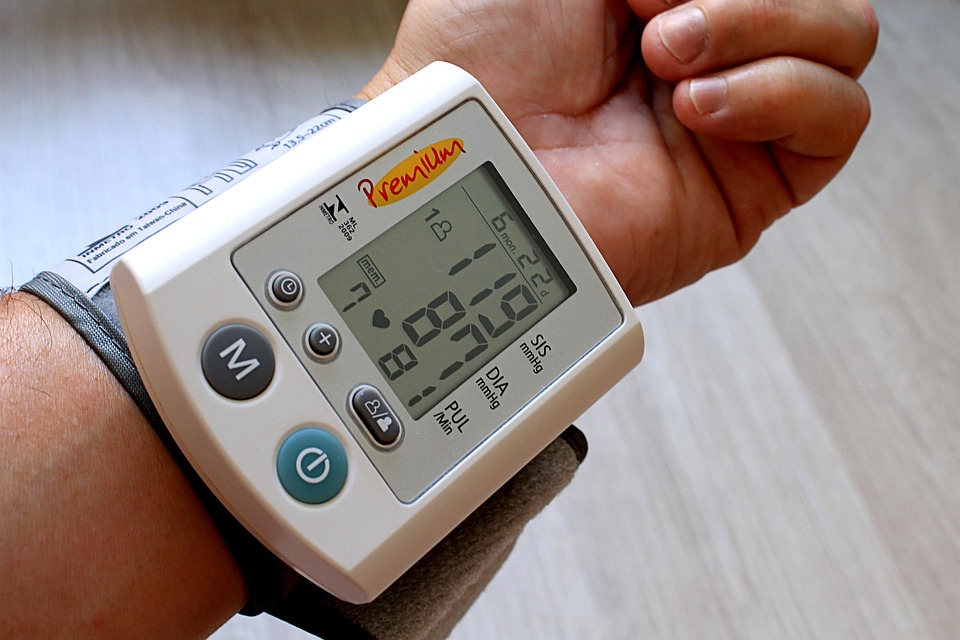
Regular monitoring of blood pressure is vital for managing hypertension in the elderly. Home blood pressure monitors can be useful tools for tracking blood pressure between doctor visits. Keeping a log of readings can help healthcare providers make informed decisions about treatment plans.
Challenges in Blood Pressure Management for the Elderly
Managing blood pressure in older adults presents unique challenges. Age-related changes such as decreased metabolism, increased sensitivity to medications, and the presence of multiple health conditions can complicate treatment. Additionally, cognitive decline in some elderly individuals may affect their ability to adhere to treatment plans.
Overcoming Barriers
To overcome these challenges, a personalized approach is necessary. This may involve:
- Education: Educating patients and caregivers about the importance of blood pressure management and understanding treatment plans.
- Collaboration: Encouraging open communication between patients, caregivers, and healthcare providers to address concerns and preferences.
- Support Systems: Leveraging support from family members, friends, and community resources to assist with medication management and lifestyle changes.
Conclusion
Understanding blood pressure management is crucial for safeguarding the health of the elderly. Through a combination of lifestyle modifications, medication, and regular monitoring, older adults can effectively manage their blood pressure and reduce the risk of complications. By acknowledging and addressing the unique challenges faced by the elderly, healthcare providers, patients, and caregivers can work together to ensure a high quality of life for older adults.
#ChatGPT assisted in the creation of this article.