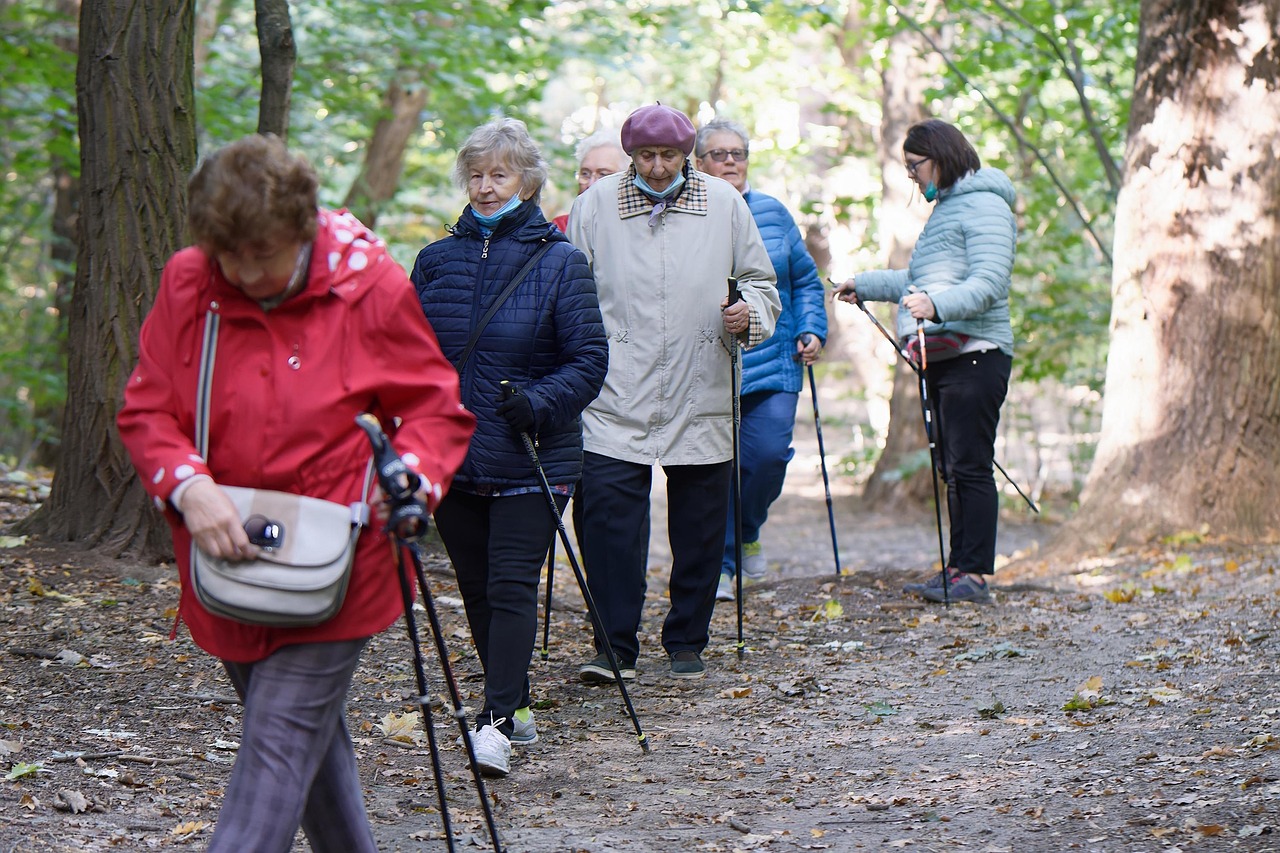

As we age, staying active becomes increasingly important for maintaining physical health, mental well-being, and social connections. One of the simplest yet most effective ways to achieve these goals is by joining a senior walking group. This activity not only promotes physical fitness but also fosters a sense of community and joy. In this article, we will explore the numerous benefits of senior walking groups, provide tips on how to start or join one, and highlight stories of individuals who have found joy and companionship through walking.
The Health Benefits of Walking for Seniors
Walking is a low-impact exercise that offers numerous health benefits, making it an ideal choice for seniors. Regular walking can help improve cardiovascular health, strengthen bones, and enhance muscle endurance. It also aids in maintaining a healthy weight, reducing the risk of chronic diseases such as diabetes and hypertension.
In addition to physical health benefits, walking has a positive impact on mental well-being. It can reduce symptoms of depression and anxiety, improve mood, and boost overall cognitive function. Walking outdoors, in particular, exposes individuals to sunlight, which is essential for vitamin D production and can further enhance mood and energy levels.
The Social Aspect: Building Connections Through Walking
Beyond the physical and mental health benefits, senior walking groups provide an invaluable opportunity for social interaction. For many seniors, retirement or changes in living situations can lead to feelings of isolation. Walking groups offer a platform to meet new people, share experiences, and build lasting friendships.
The sense of camaraderie and community fostered within walking groups can significantly enhance participants’ quality of life. Members often find joy in shared goals, whether it’s completing a challenging trail or simply enjoying each other’s company. These social connections can lead to increased motivation to stay active and participate regularly.
How to Start or Join a Senior Walking Group
Starting a Walking Group
Starting a senior walking group is a rewarding endeavor that requires some planning and organization. Begin by identifying the interests and fitness levels of potential members. Choose a convenient meeting place and time, and plan routes that are safe and accessible for everyone.
Consider reaching out to local community centers, senior organizations, or fitness clubs to gather more participants. Social media platforms and community boards can also be effective tools for spreading the word and attracting interested individuals.
Joining an Existing Group
For those who prefer joining an established group, there are numerous resources available. Local community centers, parks, and recreation departments often organize walking groups tailored for seniors. Websites dedicated to fitness and social activities can also provide information on nearby groups.
When joining a group, it’s important to find one that aligns with your fitness level and interests. Don’t hesitate to try out a few different groups until you find the one that feels right for you. Remember, the goal is to enjoy the experience and make meaningful connections.
Success Stories: Finding Joy and Companionship
Many seniors have discovered newfound joy and companionship through walking groups. Take, for example, the story of Mary, a 68-year-old retiree who joined her local senior walking group after moving to a new city. Initially apprehensive about making new friends, Mary found the group to be welcoming and supportive. She quickly formed strong bonds with fellow walkers, and together, they explored new trails and celebrated milestones.
Another inspiring story is that of Bob and Susan, a couple in their seventies who started a walking group in their neighborhood. They were motivated by a desire to stay active and combat feelings of isolation. Over time, their group grew, drawing participants of all ages who shared a passion for walking. Bob and Susan’s initiative fostered a sense of community, and their group now hosts regular social events alongside their walks.
Tips for a Successful Walking Group Experience
Set Realistic Goals
Establishing achievable goals can enhance the walking group experience. Whether it’s aiming for a certain number of steps per day or completing a specific trail, goals provide motivation and a sense of accomplishment. It’s important to ensure that goals are realistic and considerate of all group members’ abilities.
Prioritize Safety
Safety should be a top priority in any walking group. Choose routes that are well-lit and free of hazards. Encourage members to wear appropriate footwear, carry water, and dress for the weather. It’s also wise to have a basic first-aid kit on hand and a plan for emergencies.
Encourage Inclusivity
Fostering an inclusive environment is key to a successful walking group. Encourage participation from individuals of all backgrounds and abilities. Celebrate diversity and ensure that all members feel valued and respected.
Conclusion
Senior walking groups offer a wealth of benefits, from improved physical health to enhanced social connections. They provide a platform for seniors to stay active, make new friends, and discover the joy of shared experiences. Whether you’re starting a group or joining an existing one, the impact on your life and well-being can be profound. So lace up your walking shoes and embark on a journey filled with health, happiness, and community.
#ChatGPT assisted in the creation of this article.