
As we age, our bodies undergo numerous changes, and our vision is no exception. For seniors, maintaining optimal eye health is crucial to preserving their quality of life and independence. Vision decline can significantly impact daily activities, from reading and driving to recognizing faces and enjoying hobbies. Therefore, adopting effective eye care strategies is vital for seniors. This article will explore essential tips for enhancing senior vision, focusing on nutrition, lifestyle adjustments, regular check-ups, and appropriate use of corrective lenses.
Understanding Age-Related Vision Changes
Before delving into specific care tips, it’s essential to understand the common vision changes associated with aging. Presbyopia, or the gradual loss of the eye’s ability to focus on nearby objects, typically begins in the early to mid-40s and continues to progress. Cataracts, characterized by the clouding of the eye’s lens, and age-related macular degeneration (AMD), which affects the central part of the retina, are prevalent among seniors. Glaucoma and diabetic retinopathy are other conditions that can severely impact vision, especially if not diagnosed early.
Nutrition for Eye Health
Key Nutrients
A balanced diet rich in essential nutrients can significantly contribute to maintaining healthy vision.
- Vitamin A: Critical for maintaining the retina’s health, vitamin A is found in foods like carrots, sweet potatoes, and dark leafy greens.
- Omega-3 Fatty Acids: Found in fish like salmon and sardines, these acids help reduce the risk of dry eyes and AMD.
- Lutein and Zeaxanthin: These antioxidants, found in kale, spinach, and eggs, help filter harmful high-energy light and protect and maintain healthy cells in the eyes.
- Vitamin C and E: These vitamins, present in citrus fruits, nuts, and seeds, help protect eye cells from damage.
Dietary Recommendations
Seniors should aim to incorporate these nutrients into their daily diet. A colorful plate often ensures a wide range of nutrients. Regular consumption of fruits, vegetables, lean proteins, and whole grains supports overall health, including eye health.
Lifestyle Adjustments for Better Vision
Quit Smoking
Smoking is a significant risk factor for several eye conditions, including cataracts and AMD. Quitting smoking can help reduce these risks and improve overall health.
Protect Eyes from UV Rays
Prolonged exposure to the sun’s ultraviolet (UV) rays can increase the risk of cataracts and AMD. Seniors should wear sunglasses that block 100% of UV rays and consider wearing a wide-brimmed hat when outdoors.
Limit Screen Time
Excessive screen time can lead to digital eye strain. Seniors should take regular breaks using the 20-20-20 rule: every 20 minutes, look at something 20 feet away for at least 20 seconds.
Regular Eye Check-Ups
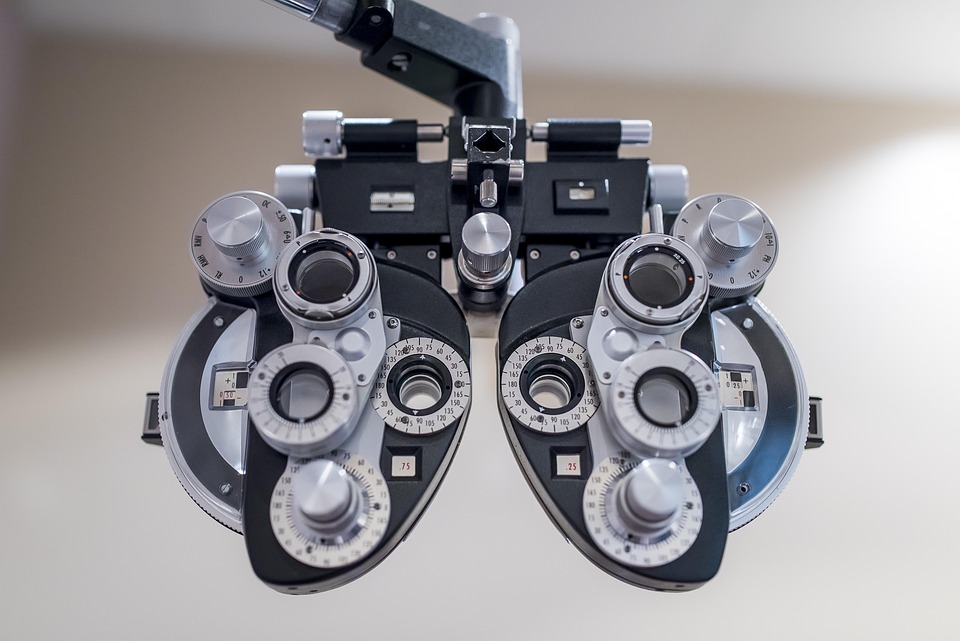
Routine eye examinations are crucial for seniors. These check-ups can help detect early signs of eye conditions, allowing for timely intervention. Seniors should have a comprehensive eye exam at least once a year. These exams can identify changes in vision, update prescriptions for glasses or contact lenses, and check for eye diseases.
Use of Corrective Lenses
Choosing the Right Glasses
Corrective lenses can significantly improve a senior’s quality of life by enhancing their ability to see clearly. It’s essential for seniors to have the right prescription and type of lenses. Bifocals, trifocals, or progressive lenses may be necessary for those with presbyopia.
Contact Lenses Considerations
While many seniors successfully use contact lenses, they require diligent care to avoid infections. Regular consultations with an eye care professional can help ensure that lenses fit correctly and are safe to use.
Adapting Living Spaces for Better Vision
Making simple changes at home can also enhance vision for seniors. Adequate lighting is crucial; use bright, non-glare bulbs, and ensure that frequently used areas are well-lit. Magnifying glasses or large-print books can help with reading. Organizing living spaces to reduce clutter and using contrasting colors for furniture and walls can also assist those with vision impairments.
Conclusion
Vision is an integral part of daily life, and maintaining it is essential for seniors to remain active and independent. By focusing on proper nutrition, making lifestyle adjustments, having regular eye check-ups, and using appropriate corrective lenses, seniors can significantly enhance their vision and overall quality of life. Educating seniors and their families about these essential eye care tips can empower them to take proactive steps in safeguarding their eye health.
#ChatGPT assisted in the creation of this article.