
As we age, maintaining a balanced diet becomes increasingly important to support overall health and well-being. One crucial component of a senior’s diet is protein. Proteins play a key role in maintaining muscle mass, supporting immune function, and repairing tissues. However, many seniors struggle to consume adequate amounts of protein due to changes in appetite, taste preferences, or dietary restrictions. This article will explore the importance of protein in senior nutrition and reveal some of the top high-protein foods that can help boost senior health.
Understanding the Importance of Protein for Seniors
Protein is a macronutrient composed of amino acids, which are the building blocks of our bodies. For seniors, adequate protein intake is essential for several reasons:
Preserving Muscle Mass
As we age, we naturally lose muscle mass, a process known as sarcopenia. This can lead to decreased strength, balance issues, and an increased risk of falls. Consuming enough protein helps to preserve muscle mass and supports overall physical function.
Supporting Immune Function
Protein is vital for producing antibodies and immune cells. A robust immune system is especially important for seniors, who may be more susceptible to infections and illnesses.
Facilitating Tissue Repair
Protein aids in the repair and regeneration of tissues, which is essential for recovery from injuries, surgeries, or illnesses commonly experienced by older adults.
Recommended Protein Intake for Seniors
The Recommended Dietary Allowance (RDA) for protein in adults is generally 0.8 grams per kilogram of body weight. However, research suggests that seniors may benefit from higher protein intake, ranging from 1.0 to 1.2 grams per kilogram of body weight, to help counteract muscle loss and support overall health.
Top High-Protein Foods for Seniors
Incorporating a variety of high-protein foods into a senior’s diet can ensure they receive the necessary nutrients for optimal health. Here are some excellent sources of protein for seniors:
Lean Meats
Lean meats such as chicken, turkey, and lean cuts of beef or pork are rich in protein and provide essential nutrients like iron and zinc. These meats can be prepared in various ways to suit individual taste preferences.
Fish and Seafood
Fish and seafood are excellent sources of protein and healthy omega-3 fatty acids, which are beneficial for heart and brain health. Options such as salmon, tuna, mackerel, and shrimp offer high protein content along with additional health benefits.
Eggs
Eggs are a versatile and affordable source of high-quality protein. They contain all nine essential amino acids and can be easily prepared in various styles, making them an ideal choice for breakfast or as a protein-rich snack.
Dairy Products
Dairy products like milk, yogurt, and cheese are not only rich in protein but also provide calcium and vitamin D, which are crucial for maintaining bone health in seniors. Opt for low-fat or non-fat versions to reduce saturated fat intake.
Legumes and Beans
Legumes and beans, such as lentils, chickpeas, black beans, and kidney beans, are excellent plant-based sources of protein. They also provide dietary fiber, which is important for digestive health. Incorporate them into soups, stews, or salads for a nutritious meal.
Nuts and Seeds
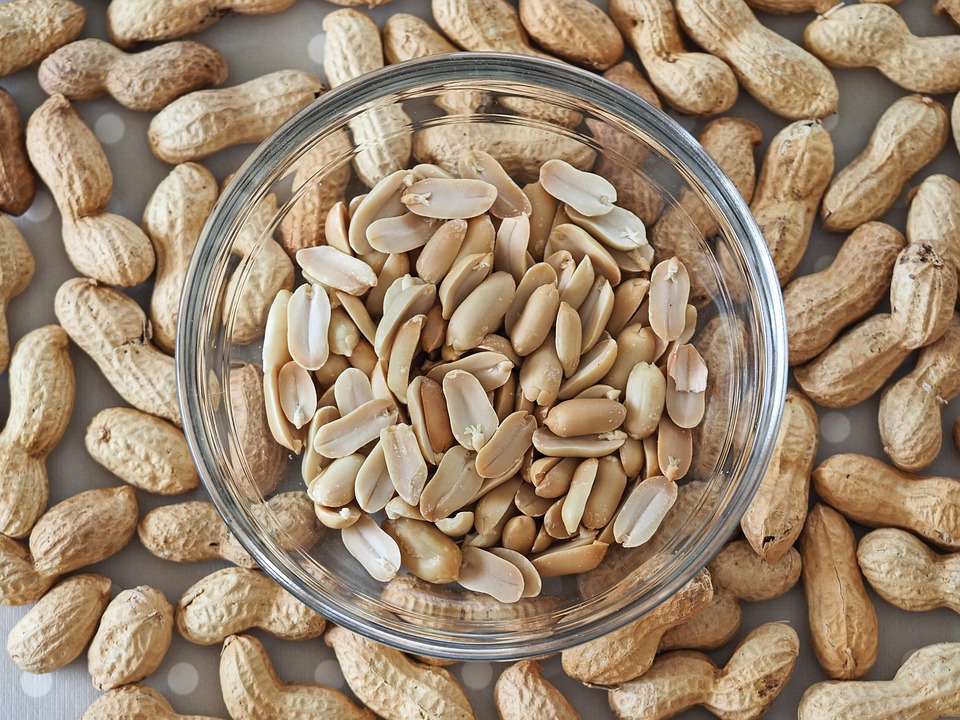
Nuts and seeds, including almonds, walnuts, chia seeds, and flaxseeds, offer a protein boost along with healthy fats and essential nutrients. They make for a convenient snack or can be added to cereals, yogurts, or baked goods.
Tofu and Tempeh
Tofu and tempeh are popular plant-based protein sources made from soybeans. They are versatile ingredients that can be used in a variety of dishes, from stir-fries to salads, providing a nutritious alternative to meat.
Tips for Increasing Protein Intake
For seniors who may struggle to meet their protein needs, here are some practical tips to increase protein intake:
Start the Day with Protein
Incorporating protein-rich foods into breakfast sets a positive tone for the day. Options like eggs, Greek yogurt, or a protein smoothie can provide a nutritious start.
Include Protein in Every Meal
Ensure that each meal contains a source of protein. This can be achieved by adding lean meats, fish, tofu, or legumes to meals.
Snack Smart
Choose protein-rich snacks like cheese, nuts, or yogurt to help meet daily protein requirements between meals.
Experiment with Recipes
Explore new recipes that incorporate high-protein foods. This can make meals more exciting and encourage a varied diet.
Addressing Dietary Restrictions
Some seniors may have dietary restrictions that limit their protein choices. Here are some considerations:
Vegetarian or Vegan Diets
For seniors following a vegetarian or vegan diet, focus on plant-based protein sources such as legumes, tofu, tempeh, nuts, seeds, and whole grains.
Lactose Intolerance
For those who are lactose intolerant, lactose-free dairy products or fortified plant-based milk alternatives like almond milk or soy milk can be good options.
Food Allergies
Seniors with food allergies should consult with a healthcare professional or dietitian to identify safe protein sources that meet their nutritional needs.
Conclusion
Protein is a vital component of a senior’s diet, playing a crucial role in maintaining muscle mass, supporting immune function, and facilitating tissue repair. By incorporating a variety of high-protein foods into their meals, seniors can promote better health and improve their overall quality of life. With careful planning and a focus on nutrient-rich foods, seniors can easily meet their protein needs and enjoy the benefits of a well-balanced diet.
#ChatGPT assisted in the creation of this article.