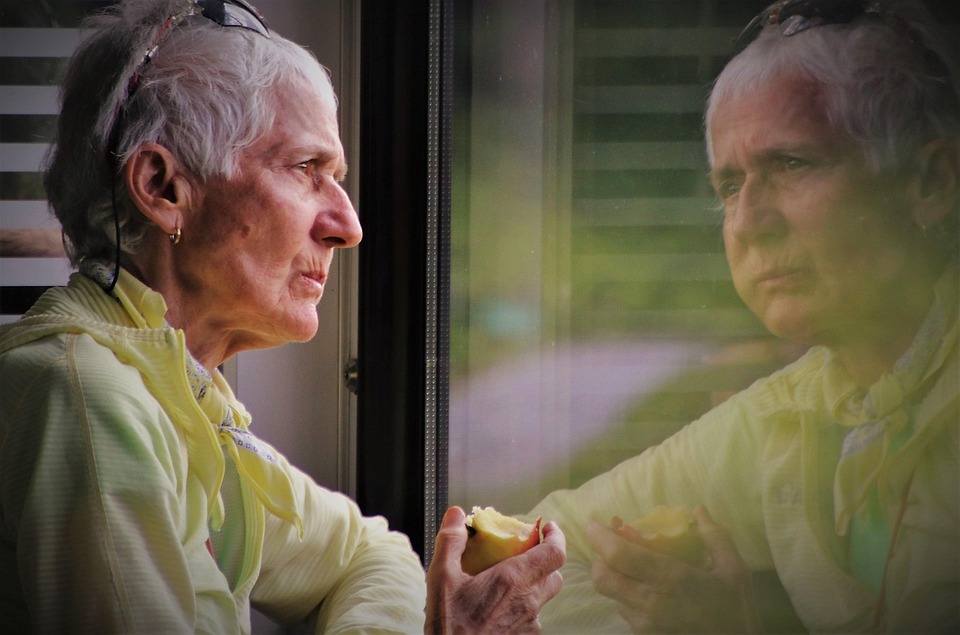

Caring for seniors at home can be a challenging yet rewarding experience. As our loved ones age, it becomes increasingly important to ensure their comfort, safety, and well-being. Senior care at home allows older adults to maintain their independence while receiving the support they need. However, providing effective senior care requires careful planning, understanding, and dedication. This article will explore the top strategies for effective senior care at home, focusing on physical, emotional, and mental well-being.
Understanding the Needs of Seniors
Before implementing any care strategies, it’s crucial to understand the unique needs of seniors. Aging often brings about changes in mobility, cognitive function, and overall health. Recognizing these changes helps caregivers tailor their approach, ensuring that seniors receive the best possible care.
Physical Health
Physical health is a significant aspect of senior care. As people age, they may experience decreased mobility, muscle weakness, and various health conditions such as arthritis or diabetes. Caregivers should focus on promoting physical well-being through regular exercise, a balanced diet, and appropriate medical care.
Mental Health
Mental health is equally important in senior care. Cognitive decline, depression, and anxiety are common among the elderly. Caregivers should be vigilant in identifying signs of mental health issues and seek professional help when necessary. Engaging seniors in mentally stimulating activities can also help maintain cognitive function.
Emotional Well-being
Social isolation and loneliness are prevalent issues among seniors living at home. Emotional well-being can be supported through regular social interactions, family visits, and participation in community activities. Emotional support is key to maintaining a positive outlook on life.
Creating a Safe and Comfortable Environment
One of the primary responsibilities of a caregiver is to create a safe and comfortable environment for seniors. This involves making necessary modifications to the home, ensuring accessibility, and minimizing hazards.
Home Modifications
Simple modifications can greatly enhance safety and accessibility for seniors. Installing grab bars in bathrooms, using non-slip mats, and ensuring adequate lighting are vital steps. Additionally, arranging furniture to allow easy movement and removing tripping hazards like loose rugs can prevent accidents.
Technology and Safety
Technology can play a pivotal role in enhancing senior safety. Consider installing emergency alert systems, motion sensors, and surveillance cameras. These tools provide peace of mind for both seniors and caregivers, ensuring help is readily available in case of emergencies.
Encouraging Independence
Promoting independence is an essential aspect of effective senior care. While support is necessary, allowing seniors to maintain control over their daily activities fosters a sense of dignity and self-worth.
Personalized Care Plans
Creating personalized care plans that cater to the specific needs and preferences of seniors is crucial. Involving them in decision-making processes and respecting their choices empowers them, leading to improved quality of life.
Assistive Devices
Utilizing assistive devices can significantly enhance independence. Tools such as walkers, canes, and hearing aids enable seniors to perform daily tasks more easily. Caregivers should ensure these devices are readily available and in good working condition.
Providing Nutritional Support
Proper nutrition is fundamental to maintaining health and vitality in seniors. As people age, their nutritional requirements change, and caregivers should prioritize healthy eating habits.
Balanced Diet
A balanced diet rich in fruits, vegetables, lean proteins, and whole grains is essential. Seniors may have specific dietary restrictions due to medical conditions, so consulting a nutritionist or healthcare provider is advisable.
Meal Preparation
Preparing meals that are not only nutritious but also appealing can encourage seniors to eat well. Consider their preferences and involve them in meal planning and preparation whenever possible. This fosters a sense of involvement and enjoyment.
Managing Medical Care
Effective management of medical care is a critical component of senior care. Regular medical check-ups, medication management, and proper communication with healthcare professionals are essential.
Medication Management
Seniors often take multiple medications, making management complex. Caregivers should organize medications using pill organizers and maintain an up-to-date list of prescriptions. Setting reminders for medication times can prevent missed doses.
Regular Health Check-ups
Scheduling regular visits to healthcare providers is vital for monitoring health conditions and addressing any concerns promptly. Caregivers should accompany seniors to appointments to ensure clear communication with doctors.
Engaging in Meaningful Activities
Engagement in meaningful activities is crucial for maintaining cognitive function and emotional well-being. Encouraging hobbies, social interactions, and mental stimulation can significantly enhance the quality of life for seniors.
Hobbies and Interests
Identifying and supporting seniors’ hobbies and interests can provide a sense of purpose and fulfillment. Whether it’s gardening, painting, or playing a musical instrument, these activities keep seniors mentally and physically active.
Social Interactions
Social interactions are vital for combating loneliness and depression. Encouraging visits from family and friends, participating in community events, and joining clubs or groups can provide valuable social connections.
Utilizing Professional Support
In many cases, professional support is necessary to provide comprehensive care. Understanding when to seek help and utilizing available resources ensures seniors receive the best possible care.
Home Health Care Services
Home health care services offer a range of medical and non-medical support options. Hiring professional caregivers or nurses can provide specialized care, allowing family members to focus on their relationship with the senior.
Respite Care
Caregiving can be demanding, and caregivers need to prioritize their well-being. Respite care provides temporary relief, allowing caregivers to rest and recharge. Utilizing respite care services prevents burnout and ensures quality care for seniors.
Conclusion
Effective senior care at home requires a holistic approach, addressing physical, mental, and emotional needs. By understanding the unique challenges faced by seniors and implementing tailored strategies, caregivers can enhance the quality of life for their loved ones. Creating a safe and supportive environment, encouraging independence, and providing comprehensive care contribute to a fulfilling and dignified aging experience. Remember, the goal of senior care is not only to meet basic needs but also to promote happiness, dignity, and overall well-being.
“`
#ChatGPT assisted in the creation of this article.