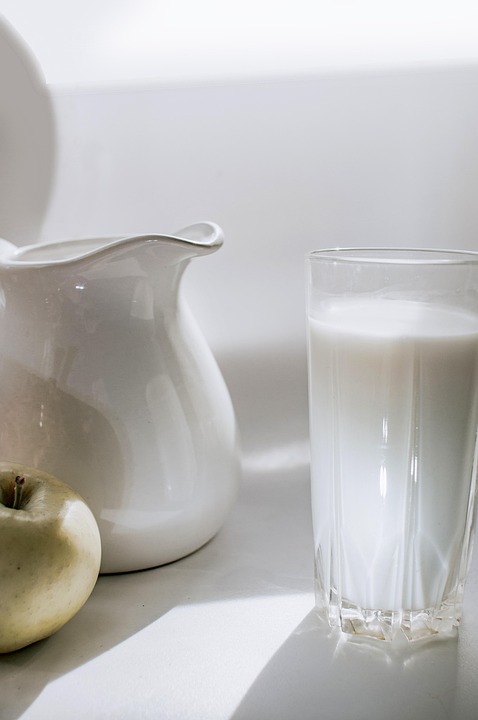

As we age, maintaining bone health becomes increasingly important. One of the key nutrients involved in keeping our bones strong and healthy is calcium. As we grow older, the body’s ability to absorb calcium diminishes, which can lead to a higher risk of fractures and osteoporosis. Therefore, it is crucial for seniors to consume adequate amounts of calcium through their diet. This article will explore the top calcium-rich foods that can contribute to optimal bone health for seniors.
The Importance of Calcium for Seniors
Calcium is essential for the development and maintenance of strong bones and teeth. It also plays a vital role in muscle function, nerve signaling, and blood clotting. For seniors, ensuring sufficient calcium intake is crucial because bone density tends to decrease with age, leading to conditions such as osteoporosis, which makes bones fragile and more susceptible to fractures. Women, in particular, are at a higher risk of developing osteoporosis post-menopause due to the decrease in estrogen levels, which affects calcium absorption.
Recommended Daily Calcium Intake for Seniors
The recommended daily intake of calcium varies by age and gender. For individuals over the age of 50, the National Institutes of Health suggests the following daily calcium intake:
- Women aged 51 and older: 1,200 mg
- Men aged 51 to 70: 1,000 mg
- Men aged 71 and older: 1,200 mg
Meeting these recommendations can be achieved through a balanced diet rich in calcium-containing foods. Here are some of the top calcium-rich foods that seniors should consider incorporating into their diet.
Dairy Products
Milk
Milk is one of the most well-known sources of calcium. A single cup of milk can provide approximately 300 mg of calcium, making it a convenient way to meet daily calcium needs. For those who are lactose intolerant, lactose-free milk options are available.
Cheese
Cheese is not only delicious but also an excellent source of calcium. Hard cheeses like Parmesan and Cheddar contain higher levels of calcium compared to softer cheeses. A single ounce of Parmesan cheese can provide about 330 mg of calcium.
Yogurt
Yogurt is another dairy product that is rich in calcium. It also contains probiotics, which can be beneficial for gut health. A cup of plain yogurt can contain up to 400 mg of calcium, depending on the brand and type.
Non-Dairy Sources of Calcium
Leafy Green Vegetables
Leafy greens such as kale, collard greens, and turnip greens are excellent sources of calcium. For instance, a cup of cooked collard greens can provide around 266 mg of calcium. These vegetables are also rich in vitamin K, which is important for bone health.
Almonds
Almonds are not only a great snack but also a good source of calcium. A 1-ounce serving (about 23 almonds) contains approximately 76 mg of calcium. Almonds are also high in healthy fats, fiber, and magnesium, making them a nutritious choice for seniors.
Tofu
Tofu is a versatile and plant-based source of calcium, especially when it is prepared with calcium sulfate. Half a cup of tofu can contain up to 253 mg of calcium. It is an excellent option for vegetarians and those looking to reduce meat consumption.
Fish with Edible Bones
Fish such as sardines and salmon, when consumed with their bones, are rich in calcium. A 3-ounce serving of canned sardines can provide nearly 325 mg of calcium. Additionally, these fish are high in omega-3 fatty acids, which have anti-inflammatory properties and support heart health.
Fortified Foods
Fortified Cereals
Many breakfast cereals are fortified with calcium and can be a convenient way to boost calcium intake. However, it is important to choose cereals that are low in added sugars to maintain a balanced diet.
Fortified Plant-Based Milk
For those who prefer plant-based milk alternatives, options such as almond, soy, and oat milk are often fortified with calcium. A cup of fortified plant-based milk can provide an amount of calcium comparable to cow’s milk.
Practical Tips for Enhancing Calcium Absorption
While consuming calcium-rich foods is important, ensuring that the body can absorb calcium effectively is equally crucial. Here are some practical tips for enhancing calcium absorption:
- Vitamin D: Vitamin D is essential for calcium absorption. Seniors should ensure they are getting enough vitamin D through sunlight exposure, diet, or supplements if necessary.
- Limit Caffeine and Salt: High caffeine and salt intake can interfere with calcium absorption. Limiting coffee, tea, and salty foods can help maximize calcium retention.
- Balanced Meals: Consuming calcium-rich foods with meals that contain vitamin C and other nutrients can enhance absorption.
- Regular Exercise: Weight-bearing exercises such as walking, dancing, or resistance training can help maintain bone density.
Conclusion
Maintaining bone health is essential for seniors to live active and independent lives. Incorporating calcium-rich foods into the diet is a critical step in achieving this goal. Whether through dairy products, leafy greens, nuts, or fortified foods, there are numerous options to ensure adequate calcium intake. Additionally, adopting lifestyle habits that enhance calcium absorption can further support bone health. By prioritizing nutrition and making informed dietary choices, seniors can promote strong and healthy bones, reducing the risk of fractures and osteoporosis.
Remember, before making significant changes to your diet or lifestyle, it is always wise to consult with a healthcare provider or a registered dietitian to ensure that your dietary needs are met effectively.
#ChatGPT assisted in the creation of this article.