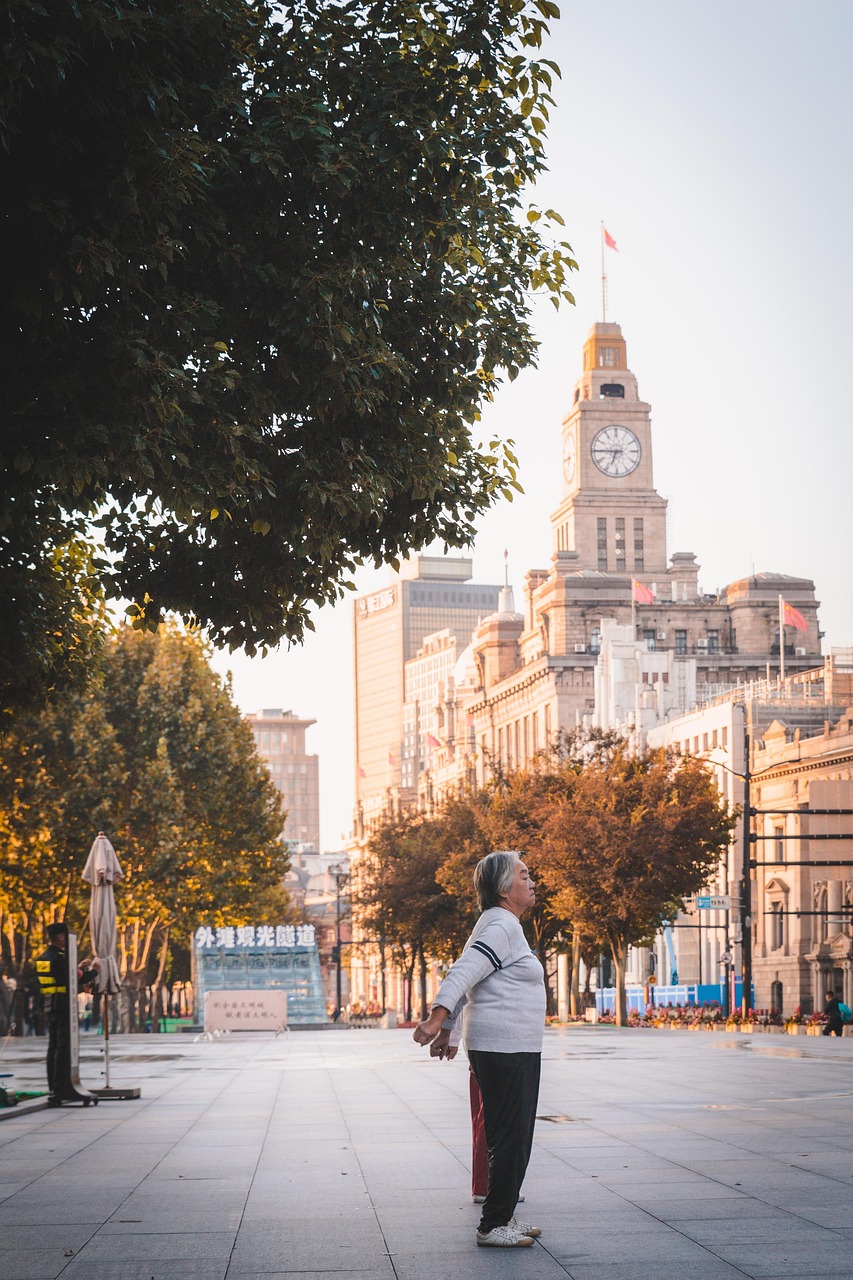

As we age, maintaining mobility becomes increasingly crucial for preserving independence and enhancing the quality of life. Mobility exercises can significantly improve the ability of seniors to perform daily tasks, reduce the risk of falls, and promote overall well-being. This article explores top mobility exercises tailored for the elderly, focusing on enhancing freedom and maintaining independence.
The Importance of Mobility for Seniors
Mobility is essential for seniors as it directly impacts their ability to live independently. Regular mobility exercises help maintain muscle strength, joint flexibility, balance, and coordination. These factors collectively contribute to reducing the risk of falls, which are a major concern for the elderly. In addition to physical benefits, engaging in regular physical activity also supports mental health by alleviating symptoms of anxiety and depression.
Warm-Up: Preparing the Body for Exercise
Before engaging in any mobility exercise, it’s important to start with a gentle warm-up to prepare the body. This can include:
– **Marching in Place**: Stand with feet hip-width apart and gently lift knees in a marching motion for 1-2 minutes.
– **Arm Circles**: Extend arms to the sides and make small circles, gradually increasing their size. Perform for 30 seconds in each direction.
Warm-up exercises increase blood flow, loosen muscles, and prepare the joints for more intensive activity, reducing the risk of injury.
Top Mobility Exercises for Seniors
1. Ankle Circles
**Purpose**: Improve ankle flexibility and strength, crucial for balance and walking.
**How to Perform**:
– Sit in a sturdy chair with feet flat on the floor.
– Lift one foot off the ground and slowly rotate the ankle clockwise 10 times, then counterclockwise 10 times.
– Switch to the other foot and repeat.
**Benefits**: Enhances circulation and range of motion in the ankles, reducing stiffness.
2. Heel-Toe Raises
**Purpose**: Strengthen the lower leg muscles, improve balance and stability.
**How to Perform**:
– Stand behind a chair, using it for support.
– Lift both heels off the ground, standing on your toes. Hold for 3 seconds.
– Slowly lower the heels back down and lift the toes off the ground, rocking back on your heels. Hold for 3 seconds.
– Repeat 10-15 times.
**Benefits**: Strengthens calves and shins, essential for walking and balance.
3. Seated Marching
**Purpose**: Enhance hip flexibility and strength, improve overall leg mobility.
**How to Perform**:
– Sit in a chair with a straight back.
– Lift one knee towards the chest, then lower it back down.
– Alternate between legs, performing a marching motion for 1-2 minutes.
**Benefits**: Improves hip and thigh strength, encourages blood circulation.
4. Leg Lifts
**Purpose**: Strengthen hip flexors and thighs, improve balance and gait.
**How to Perform**:
– Stand behind a chair, using it for support.
– Lift one leg out to the side, keeping it straight. Hold for 3 seconds, then lower it back down.
– Perform 10-15 repetitions on each leg.
**Benefits**: Increases leg strength, aids in side-to-side movement stability.
5. Wall Push-Ups
**Purpose**: Strengthen upper body muscles, improve posture and upper body mobility.
**How to Perform**:
– Stand facing a wall, arms extended so palms are flat against it.
– Bend elbows slowly, bringing chest towards the wall.
– Push back to the starting position.
– Repeat 10-15 times.
**Benefits**: Enhances upper body strength, supports better posture and arm movement.
6. Seated Torso Twists
**Purpose**: Improve core flexibility and strength, aid in rotational movements.
**How to Perform**:
– Sit in a chair with feet flat on the floor.
– Place hands on the back of your head.
– Gently twist your torso to the right, then to the left.
– Perform 10 twists on each side.
**Benefits**: Increases core strength, enhances flexibility for daily activities.
7. Shoulder Rolls
**Purpose**: Increase shoulder flexibility, reduce tension and stiffness.
**How to Perform**:
– Sit or stand with a straight back.
– Lift shoulders up towards ears, then roll them back and down.
– Perform 10 rolls in each direction.
**Benefits**: Relieves shoulder tension, promotes better posture and arm mobility.
8. Neck Stretches
**Purpose**: Alleviate neck stiffness, improve range of motion and posture.
**How to Perform**:
– Sit or stand with a straight back.
– Tilt head to the right, bringing ear towards shoulder. Hold for 10 seconds.
– Repeat on the left side.
– Perform 3-5 times on each side.
**Benefits**: Reduces neck tension, enhances flexibility and posture.
9. Heel Slides
**Purpose**: Improve knee flexibility and strength, important for walking and standing.
**How to Perform**:
– Lie on your back with knees bent and feet flat on the floor.
– Slide one heel along the floor towards your buttocks, then slide it back.
– Perform 10-15 slides with each leg.
**Benefits**: Strengthens knees, enhances flexibility for sitting and standing.
10. Standing Side Leg Raises
**Purpose**: Strengthen hip abductors, improve balance and lateral movement.
**How to Perform**:
– Stand next to a chair, holding it for support.
– Lift one leg straight out to the side, keeping it straight. Hold for 3 seconds, then lower it back down.
– Perform 10-15 repetitions on each leg.
**Benefits**: Enhances hip strength, improves stability for side-to-side movements.
Safety Tips for Seniors
When engaging in any exercise routine, safety should be a top priority, especially for seniors. Here are some essential tips to ensure a safe exercise experience:
– **Consult a Healthcare Professional**: Before starting any new exercise program, it’s important for seniors to consult with their healthcare provider to ensure the exercises are appropriate for their health conditions.
– **Use Proper Equipment**: Ensure that chairs, mats, and any other equipment used during exercises are stable and secure.
– **Start Slowly**: Begin with shorter sessions and gradually increase the duration and intensity of exercises as comfort and endurance improve.
– **Listen to Your Body**: Pay attention to any signs of discomfort or pain. If any exercise causes pain, stop immediately and consult a healthcare professional.
– **Stay Hydrated**: Drink plenty of water before, during, and after exercising to stay hydrated.
Conclusion
Maintaining mobility through regular exercise is crucial for seniors to live independently and enjoy a high quality of life. The exercises outlined in this article are designed to improve flexibility, strength, balance, and coordination, all of which contribute to enhanced freedom and reduced risk of falls. By incorporating these exercises into their daily routine, seniors can enjoy a more active and fulfilling lifestyle.
#ChatGPT assisted in the creation of this article.