
Arthritis is a common condition affecting millions of seniors worldwide. Characterized by inflammation and stiffness in the joints, arthritis can significantly impact an individual’s quality of life. As the population ages, effective management strategies become crucial for maintaining mobility, independence, and overall well-being in seniors. This article explores various strategies that can help seniors manage arthritis effectively, ensuring they lead active and fulfilling lives.
Understanding Arthritis
Arthritis is a broad term that encompasses over 100 different types of joint diseases. The most common forms affecting seniors are osteoarthritis and rheumatoid arthritis. Osteoarthritis involves the gradual breakdown of cartilage, the protective tissue at the ends of bones, leading to pain and stiffness. Rheumatoid arthritis, on the other hand, is an autoimmune condition where the immune system mistakenly attacks the joints, causing inflammation and pain.
Symptoms and Diagnosis
Common symptoms of arthritis include joint pain, swelling, reduced range of motion, and stiffness. Seniors may experience these symptoms in various joints, most frequently in the knees, hips, hands, and spine. Accurate diagnosis is crucial for effective management. Healthcare professionals use a combination of physical exams, imaging tests, and blood tests to diagnose the specific type of arthritis and its severity.
Medical Management
Medical management of arthritis often involves a combination of medications and therapies tailored to the individual’s needs. The goal is to reduce pain, improve joint function, and prevent further damage.
Medications
Several medications can help manage arthritis symptoms. Nonsteroidal anti-inflammatory drugs (NSAIDs) like ibuprofen and naproxen are commonly used to reduce pain and inflammation. In more severe cases, doctors may prescribe corticosteroids or disease-modifying antirheumatic drugs (DMARDs) to slow disease progression. Seniors should work closely with their healthcare providers to determine the most appropriate medication regimen, considering potential side effects and interactions with other medications.
Physical Therapy
Physical therapy plays a vital role in arthritis management. A physical therapist can design a customized exercise program to improve joint flexibility, strengthen muscles, and enhance overall mobility. Regular physical therapy sessions can help seniors maintain independence and reduce the risk of falls and injuries.
Lifestyle Modifications
Lifestyle modifications are essential components of effective arthritis management for seniors. These changes can significantly impact pain levels and overall joint health.
Exercise
Regular exercise is one of the most effective ways to manage arthritis. Low-impact activities such as walking, swimming, and cycling can help maintain joint function without putting excessive stress on the joints. Seniors should aim for at least 150 minutes of moderate-intensity exercise per week. Strengthening exercises, like resistance training, are also beneficial for maintaining muscle mass and supporting joint stability.
Diet and Nutrition
A balanced diet rich in anti-inflammatory foods can aid in managing arthritis symptoms. Seniors should focus on consuming fruits, vegetables, whole grains, and lean proteins. Omega-3 fatty acids, found in fatty fish like salmon and walnuts, have anti-inflammatory properties that can help reduce joint pain. Additionally, maintaining a healthy weight is crucial, as excess weight puts extra pressure on the joints, exacerbating arthritis symptoms.
Stress Management
Chronic stress can exacerbate arthritis symptoms. Stress management techniques, such as mindfulness, meditation, and yoga, can help seniors manage pain and improve their mental well-being. Engaging in hobbies, spending time with loved ones, and participating in community activities can also provide emotional support and reduce stress levels.
Alternative Therapies
In addition to conventional treatments, many seniors explore alternative therapies to manage arthritis. While these approaches may not work for everyone, they can provide additional relief for some individuals.
Acupuncture
Acupuncture, a traditional Chinese medicine practice, involves inserting thin needles into specific points on the body. Some seniors find relief from arthritis pain through acupuncture, although scientific evidence on its effectiveness is mixed. Consulting a licensed and experienced acupuncturist is crucial for those considering this therapy.
Massage Therapy
Massage therapy can help reduce muscle tension and improve circulation, providing temporary relief from arthritis pain. A trained massage therapist can tailor techniques to suit the needs and comfort levels of seniors with arthritis.
Herbal Supplements
Certain herbal supplements, such as turmeric and ginger, have anti-inflammatory properties that may help alleviate arthritis symptoms. However, seniors should exercise caution and consult their healthcare providers before using any supplements, as they can interact with medications and cause adverse effects.
Assistive Devices and Home Modifications
Assistive devices and home modifications can significantly improve the quality of life for seniors with arthritis. These tools help reduce strain on the joints and make daily tasks more manageable.
Assistive Devices
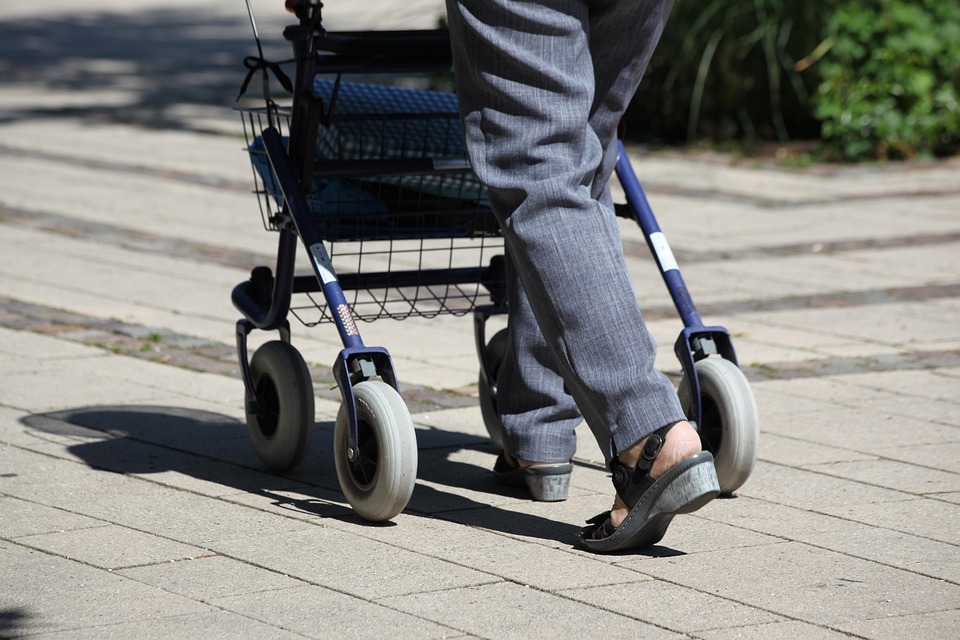
Various assistive devices are available to support seniors with arthritis. Canes, walkers, and grab bars can aid in mobility, while specialized kitchen utensils and dressing aids make everyday tasks easier to perform. Occupational therapists can provide valuable guidance on selecting and using assistive devices effectively.
Home Modifications
Simple home modifications can enhance safety and accessibility for seniors with arthritis. Installing handrails in staircases and bathrooms, using non-slip mats, and arranging furniture to create clear pathways can prevent accidents and improve independence.
Regular Monitoring and Communication with Healthcare Providers
Regular monitoring and open communication with healthcare providers are essential components of effective arthritis management. Seniors should attend regular check-ups to assess their condition and adjust treatment plans as needed.
Monitoring Symptoms
Keeping track of arthritis symptoms, including pain levels, mobility changes, and flare-ups, can help seniors and their healthcare providers make informed decisions about treatment adjustments. Maintaining a symptom diary can be a useful tool for this purpose.
Open Communication
Seniors should feel comfortable discussing their symptoms, treatment experiences, and any concerns with their healthcare providers. Open communication ensures that treatment plans are tailored to the individual’s specific needs and preferences, leading to more effective management.
Conclusion
Managing arthritis in seniors requires a holistic approach that combines medical treatments, lifestyle modifications, alternative therapies, and supportive devices. By adopting these strategies, seniors can improve their quality of life, maintain independence, and continue to engage in activities they enjoy. Collaboration between seniors, their families, and healthcare providers is key to developing personalized management plans that address the unique challenges posed by arthritis. Through proactive and comprehensive care, seniors can effectively manage arthritis and lead fulfilling lives.
#ChatGPT assisted in the creation of this article.