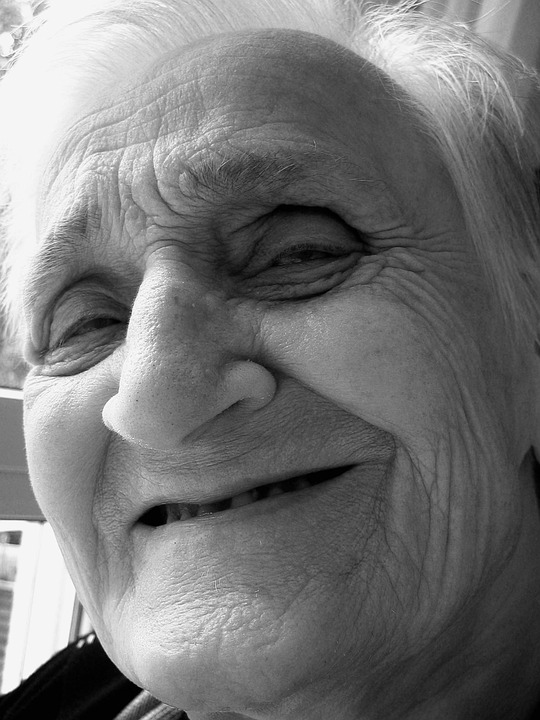

Caring for someone with dementia can be both rewarding and challenging. Dementia affects millions worldwide and manifests in various forms, including Alzheimer’s disease, vascular dementia, and Lewy body dementia. Caregivers, often family members, play a crucial role in managing the day-to-day needs of dementia patients. This article explores effective strategies to enhance the quality of care for dementia patients, ensuring their dignity, comfort, and well-being.
Understanding Dementia
Before diving into caregiving strategies, it is essential to grasp what dementia entails. Dementia is not a single disease but a general term for a decline in cognitive function severe enough to interfere with daily life. It affects memory, thinking, orientation, comprehension, calculation, learning capacity, language, and judgment. Understanding these changes helps caregivers anticipate and manage the challenges they may face.
Effective Communication
Communication becomes increasingly difficult as dementia progresses. However, establishing effective communication is crucial for providing care and maintaining a connection with the patient.
Speak Clearly and Calmly
Use simple words and sentences, and speak slowly. Maintain a calm and reassuring tone to avoid causing anxiety or confusion. Non-verbal cues such as facial expressions and gestures can also be effective.
Be Patient and Listen
Allow the patient ample time to respond. Interrupting or rushing them can lead to frustration. Active listening, where you show understanding and empathy, can significantly enhance communication.
Reduce Distractions
Minimize background noise and distractions to help the patient focus on the conversation. A quiet environment aids concentration and comprehension.
Creating a Safe and Supportive Environment
Safety is a primary concern when caring for dementia patients. A supportive environment can prevent accidents and promote independence.
Modify the Home
Remove tripping hazards such as loose rugs and clutter. Install grab bars in bathrooms and ensure adequate lighting throughout the home. Consider using locks or alarms on doors to prevent wandering.
Establish Routines
Routines provide a sense of stability and security. Regular daily schedules for meals, bathing, and sleeping can help reduce confusion and anxiety.
Use Memory Aids
Label cupboards and drawers, and use calendars and clocks to help orient the patient. Visual aids can also serve as reminders for daily tasks.
Promoting Physical Health
Physical health is vital for overall well-being and can impact cognitive function.
Encourage Physical Activity
Engage the patient in regular, gentle exercise such as walking, stretching, or chair exercises. Physical activity improves mood, reduces restlessness, and enhances mobility.
Maintain a Balanced Diet
Provide nutritious meals that are easy to eat and digest. Ensure the patient stays hydrated and monitor their weight to prevent malnutrition or obesity.
Regular Medical Check-ups
Schedule regular visits to healthcare professionals to monitor the patient’s health and manage any co-existing medical conditions.
Emotional and Psychological Support
Dementia can be emotionally taxing for both the patient and caregiver. Providing emotional support is crucial for maintaining a positive outlook.
Engage in Meaningful Activities
Involve the patient in activities they enjoy or once enjoyed, such as arts and crafts, music, or gardening. Tailor activities to their current abilities to boost self-esteem and enjoyment.
Validate Their Feelings
Acknowledge the patient’s emotions, even if they seem irrational. Validation fosters trust and reduces feelings of isolation.
Encourage Social Interaction
Social engagement is vital for mental health. Facilitate visits with family and friends or participate in community activities designed for dementia patients.
Managing Behavioral Changes
Dementia often leads to behavioral changes, including agitation, aggression, and hallucinations. Understanding and addressing these behaviors is crucial for effective caregiving.
Identify Triggers
Observe and note any patterns or triggers for behavioral changes. Identifying these can help in developing strategies to prevent or manage outbursts.
Use Distraction and Redirection
Gently redirect the patient’s attention to a different activity or topic to diffuse agitation or confusion. Distraction can be a powerful tool in managing challenging behaviors.
Seek Professional Help
If behavioral issues become unmanageable, consult healthcare professionals for advice or consider medication under medical guidance.
Taking Care of the Caregiver
Caregiving can be demanding and may lead to burnout if caregivers neglect their own needs. It is essential for caregivers to maintain their health and well-being.
Seek Support
Join support groups or networks for caregivers. Sharing experiences and advice can provide emotional relief and practical tips.
Schedule Regular Breaks
Take time for yourself to recharge. Arrange for respite care or ask family members to assist, allowing you to rest and attend to personal needs.
Practice Stress Management Techniques
Incorporate stress-reducing activities such as meditation, yoga, or deep-breathing exercises into your routine. These can help maintain emotional balance and resilience.
Legal and Financial Planning
Early planning can ease the burden of decision-making as the disease progresses.
Establish Legal Documents
Ensure that essential legal documents such as power of attorney, living wills, and healthcare proxies are in place. These documents ensure that the patient’s wishes are respected.
Plan Financially
Review and organize financial resources and insurance coverage. Consider consulting a financial advisor specializing in elder care to plan for potential long-term care expenses.
Conclusion
Caring for a dementia patient requires compassion, patience, and dedication. By implementing effective strategies, caregivers can create a supportive environment that enhances the quality of life for dementia patients. It is also vital for caregivers to look after their own health and well-being. With understanding, support, and planning, the caregiving journey can be a rewarding experience for both the caregiver and the patient.
#ChatGPT assisted in the creation of this article.