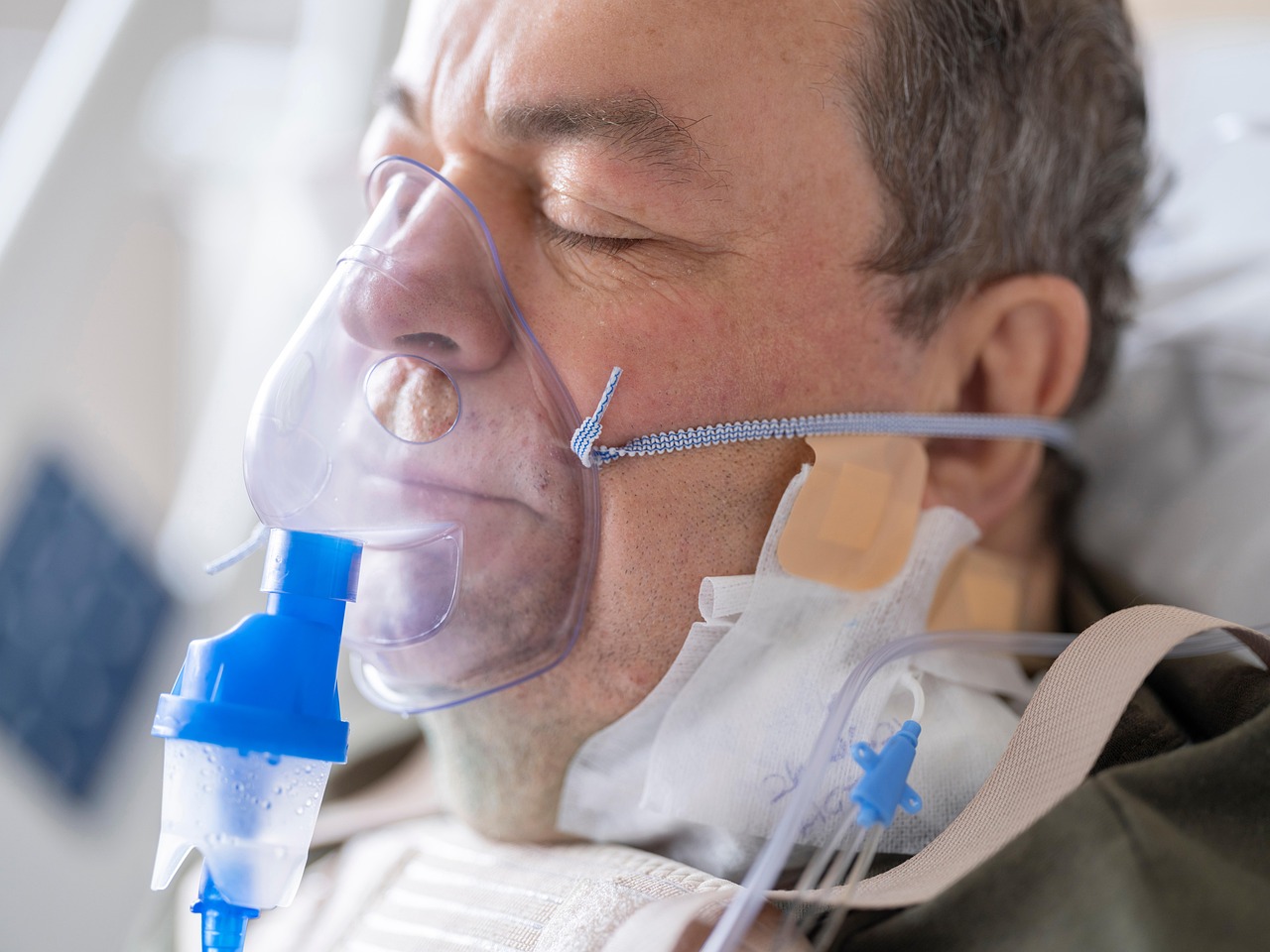

End-of-life care is a vital component of the healthcare system, offering support for individuals who are nearing the end of their life. This period can be emotionally challenging for both patients and their families. Implementing effective end-of-life care strategies can help ensure that individuals experience a dignified, comfortable, and peaceful transition. This article explores essential end-of-life care support strategies, emphasizing the importance of a holistic approach that encompasses physical, emotional, psychological, and spiritual well-being.
Understanding End-of-Life Care
End-of-life care refers to the support and medical care given during the time surrounding death. It focuses on palliative care, which aims to relieve symptoms and improve the quality of life for individuals with serious illnesses. A comprehensive approach to end-of-life care considers the physical, emotional, and spiritual needs of the patient while also providing support to their families.
Physical Comfort and Symptom Management
Pain Management
Pain management is a critical component of end-of-life care. Ensuring that patients are comfortable and free from pain can significantly enhance their quality of life. Healthcare providers should assess pain levels regularly and adjust medication as needed. Options may include opioids, non-opioid pain relievers, and complementary therapies like massage or acupuncture.
Symptom Control
Beyond pain, other symptoms such as nausea, breathlessness, fatigue, and insomnia must be managed effectively. Tailored treatment plans should be developed for each patient, considering their unique symptoms and preferences. This often involves a combination of medications and non-pharmacological interventions, such as breathing exercises and relaxation techniques.
Nutrition and Hydration
As individuals approach the end of life, their nutritional needs and appetite may change. Caregivers should offer small, easily digestible meals and ensure adequate hydration. It’s essential to respect the patient’s wishes regarding food and drink while monitoring for signs of discomfort or aspiration.
Emotional and Psychological Support
Communication and Active Listening
Open and honest communication is key to providing effective emotional and psychological support. Caregivers should create a safe space for patients to express their thoughts, feelings, and fears. Active listening, empathy, and validation are crucial in building trust and understanding between the patient and caregiver.
Counseling and Support Groups
Professional counseling can be beneficial for patients and their families during the end-of-life journey. Trained therapists can help individuals navigate the complex emotions associated with dying, such as anxiety, depression, and grief. Support groups also offer a platform for sharing experiences and receiving encouragement from others in similar situations.
Legacy Projects and Life Review
Engaging in legacy projects and life review activities can provide a sense of closure and fulfillment for patients. These activities may include creating memory books, recording personal stories, or writing letters to loved ones. Such projects allow individuals to reflect on their lives, celebrate achievements, and impart wisdom to future generations.
Spiritual and Cultural Considerations
Respecting Religious and Cultural Beliefs
End-of-life care should be sensitive to the diverse religious and cultural beliefs of patients and their families. Caregivers must respect these beliefs and incorporate them into care plans. This may involve accommodating specific rituals, traditions, or dietary restrictions.
Spiritual Support
For many individuals, spirituality plays a significant role in their end-of-life experience. Spiritual support can include prayer, meditation, or connecting with religious leaders. Caregivers should facilitate access to spiritual resources and respect the patient’s spiritual preferences, whether they follow an organized religion or hold personal beliefs.
Family Involvement and Support
Education and Empowerment
Family members are integral to the end-of-life care process. Providing them with education about the dying process, symptom management, and caregiving techniques can empower them to participate actively in their loved one’s care. Educational resources, workshops, and training sessions can enhance their confidence and competence.
Respite Care
Caring for a dying loved one can be physically and emotionally exhausting for family members. Respite care offers temporary relief by providing professional caregiving support. This allows family caregivers to rest, recharge, and attend to their own well-being, ultimately improving their ability to care for their loved ones.
Bereavement Support
Supporting families does not end with the death of their loved one. Bereavement support is essential to help families cope with loss and adapt to life without their loved one. Grief counseling, support groups, and memorial services can provide comfort and connection during this difficult time.
Coordinated Care and Interdisciplinary Teams
Collaboration Among Healthcare Providers
Effective end-of-life care often involves a team of healthcare providers working collaboratively. This interdisciplinary team may include doctors, nurses, social workers, chaplains, and therapists. Regular communication and coordination among team members ensure that care is comprehensive, consistent, and aligned with the patient’s preferences.
Advance Care Planning
Advance care planning is a proactive approach that involves discussing and documenting a patient’s wishes for end-of-life care. This process can help guide medical decisions when the patient is no longer able to communicate their preferences. Advance directives, living wills, and healthcare proxies are essential tools in this process.
Conclusion
End-of-life care is a multifaceted process that requires sensitivity, compassion, and a deep understanding of individual needs. By implementing essential end-of-life care support strategies, healthcare providers and caregivers can help ensure that patients experience a dignified, comfortable, and peaceful transition. These strategies not only prioritize the physical, emotional, and spiritual well-being of the patient but also provide invaluable support to their families. As we continue to advance our understanding and practices in end-of-life care, the focus must remain on delivering person-centered care that honors the unique journey of each individual.
#ChatGPT assisted in the creation of this article.