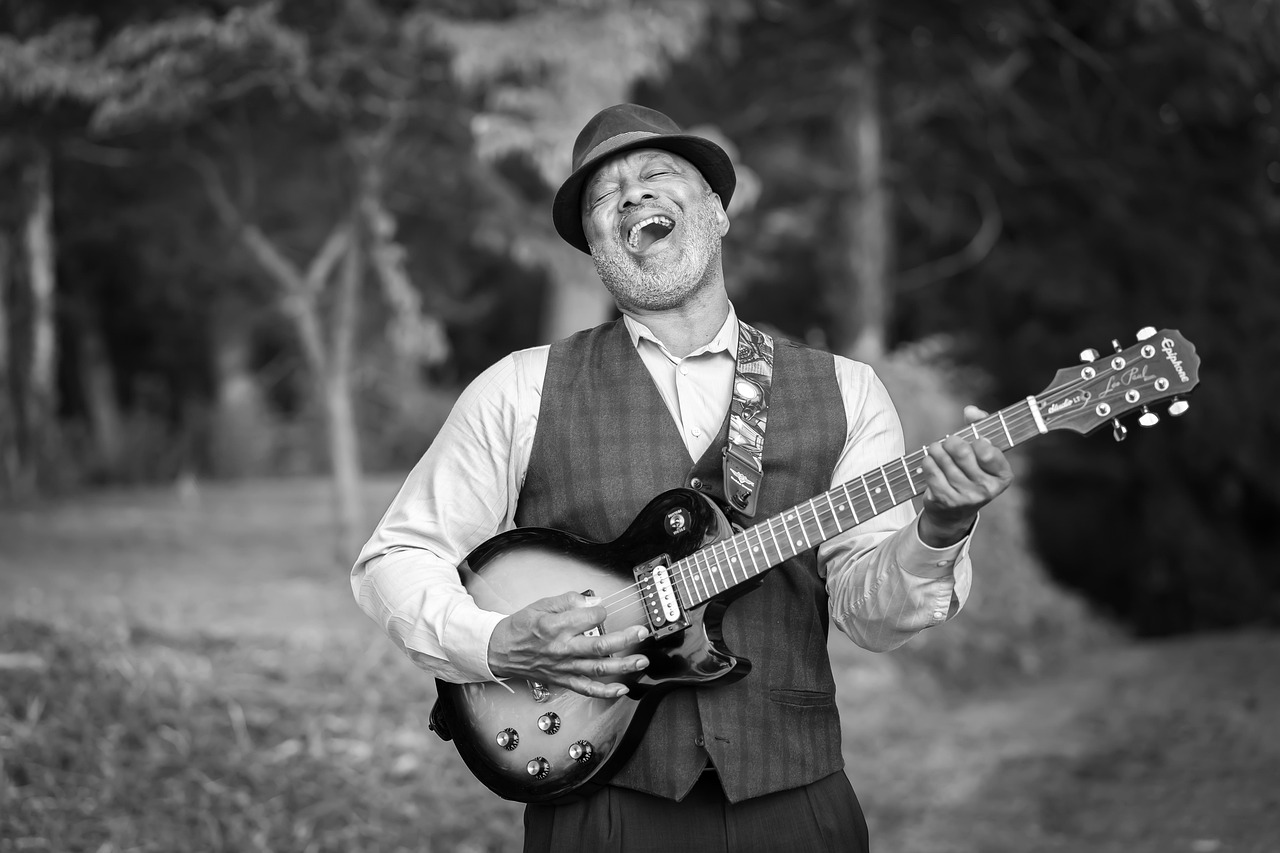

In the golden years of life, maintaining a sense of joy and well-being is paramount. As the body ages, seniors face various physical, emotional, and cognitive challenges. However, one powerful tool that can enhance the quality of life for older adults is music therapy. This therapeutic approach harnesses the power of music to unlock joy, improve mental health, and enhance overall well-being. In this article, we will explore the profound benefits of music therapy for seniors and how it can be a transformative experience in their lives.
The Science Behind Music Therapy
Music therapy is a research-based practice that uses music to address physical, emotional, cognitive, and social needs. It combines the art of music with the science of psychology to create a holistic approach to healing. The process involves a trained music therapist who tailors sessions to meet the specific needs of each individual. These sessions can include listening to music, playing instruments, singing, or composing music.
Neurological Benefits
Music has a unique ability to stimulate the brain. Studies have shown that listening to music can activate various brain regions, including those responsible for memory, emotion, and motor skills. For seniors, this means that music therapy can help improve cognitive functions, such as memory recall and problem-solving skills. Moreover, music can evoke emotions and memories, making it a powerful tool for individuals with Alzheimer’s disease or dementia.
Physical Benefits
Music therapy can also have tangible physical benefits for seniors. Engaging with music can lead to increased physical activity, whether it’s tapping a foot to a rhythm or participating in a group drumming session. This can improve cardiovascular health, enhance coordination, and promote overall physical well-being. Additionally, music has been shown to reduce pain perception, making it a valuable complement to traditional pain management techniques.
Emotional and Psychological Benefits
One of the most profound impacts of music therapy is its ability to enhance emotional well-being. Music has the power to evoke emotions and create a sense of connection and belonging. For seniors, who may experience feelings of loneliness or anxiety, music therapy can provide a much-needed emotional outlet.
Reducing Anxiety and Depression
Music therapy has been shown to reduce symptoms of anxiety and depression in seniors. The soothing melodies and rhythms of music can induce relaxation and lower stress levels. This, in turn, can lead to a more positive outlook on life and a greater sense of emotional stability. Music therapy sessions can help seniors express their emotions in a safe and supportive environment, reducing feelings of isolation and hopelessness.
Enhancing Mood and Joy
Music has an unparalleled ability to lift spirits and bring joy. Whether it’s a familiar song from their youth or a new melody that resonates with them, seniors often find solace and happiness in music. Group music therapy sessions can foster a sense of community and belonging, as participants share in the joy of making music together. These positive experiences can lead to improved self-esteem and a greater sense of purpose.
Social Benefits of Music Therapy
For many seniors, social interaction becomes increasingly limited as they age. Music therapy provides a unique opportunity to connect with others and build meaningful relationships. Group sessions encourage socialization and collaboration, creating a supportive environment where seniors can interact and share experiences.
Fostering Connections
Music therapy sessions often involve group activities, such as singing in a choir or playing in an ensemble. These activities foster a sense of camaraderie and teamwork, as participants work together to create harmonious music. The shared experience of making music can break down barriers and facilitate communication, even among those who may have difficulty expressing themselves verbally.
Improving Communication Skills
For seniors with communication challenges, such as those with speech impairments or cognitive decline, music therapy offers an alternative means of expression. The rhythm and melody of music can stimulate language centers in the brain, potentially improving speech and language skills. Music therapy can also enhance non-verbal communication, allowing seniors to convey emotions and thoughts through music.
Personalized Music Therapy Approaches
One of the strengths of music therapy is its adaptability to the unique needs and preferences of each individual. Music therapists work closely with seniors to design personalized treatment plans that align with their goals and interests.
Creating a Personalized Playlist
A key component of music therapy is creating a personalized playlist of songs that resonate with the individual. These songs may hold special meaning or evoke cherished memories. Listening to familiar music can provide comfort and a sense of continuity, particularly for seniors with memory loss. Music therapists can also introduce new music that aligns with the senior’s preferences, expanding their musical horizons and providing fresh sources of joy.
Incorporating Cultural and Personal Preferences
Cultural background and personal preferences play a significant role in music therapy. Music therapists take these factors into account when designing sessions. For example, a senior with a strong cultural connection to a particular genre of music may find great joy and comfort in exploring that genre. By incorporating cultural and personal elements, music therapy becomes a deeply meaningful and enriching experience.
Music Therapy in Different Settings
Music therapy can be implemented in various settings, each offering unique opportunities for seniors to benefit from its effects.
In-Home Music Therapy
For seniors who prefer to remain in the comfort of their own homes, in-home music therapy sessions offer a convenient and personalized option. Music therapists can visit seniors at home, tailoring sessions to their specific needs and preferences. This approach allows seniors to engage with music in a familiar environment, promoting relaxation and enjoyment.
Community and Senior Centers
Many community and senior centers offer group music therapy sessions, creating a vibrant social experience for participants. These sessions provide an opportunity for seniors to connect with others and enjoy the benefits of music in a supportive and engaging setting. Group music therapy can also be a gateway to discovering new friendships and expanding social networks.
Conclusion
Music therapy is a powerful and versatile tool that can unlock joy and improve the quality of life for seniors. Its ability to stimulate the brain, enhance emotional well-being, and foster social connections makes it an invaluable resource for older adults facing the challenges of aging. By tailoring music therapy to individual needs and preferences, seniors can experience the transformative effects of music in a deeply personal way. Whether in the comfort of their own home or as part of a vibrant community group, music therapy offers seniors a pathway to greater joy, connection, and fulfillment in their golden years. As we continue to explore the potential of music therapy, we unlock new possibilities for enhancing the lives of seniors and creating a brighter, more harmonious future for all.
#ChatGPT assisted in the creation of this article.